Solc, Vladislav

Dingir.cz | Conspiracism as a Private Religion: A Jungian View of the Longing for Hidden Truth – Interview with Vlado Šolc

This interview with Vladislav Šolc by Jitka Schlichtsová was originally published in Czech at dingir.cz.

How does conspiracism appear from a Jungian perspective?

Psychologically speaking, conspiracy theories are, in essence, theories about hidden connections between reality and fantasy. The desire to discover reality and explore the deeper meaning of existence is instinctive. Mythology and ritual behavior testify to humanity’s ancient effort to grasp the mystery of life and use that knowledge to navigate reality more effectively through the expansion of consciousness. Similarly, religion responds to the human longing for salvation and the revelation of eternal truth—a desire, one might say, to crack the ultimate code of existence. Conspiracy theories are driven by the same instinct.

From a Jungian perspective, conspiracy theories may be understood as private—or what I have elsewhere called dark religious—systems through which the ego attempts to come to terms with the overwhelming impact of numinosity. Numinous experience arises from an encounter with the paradox of the holy, what Rudolf Otto termed the mysterium tremendum et fascinans: an experience that simultaneously evokes fascination and awe. The less conscious the ego is of these opposing emotional forces, the more likely it is to become possessed by them. The key is to minimize the phenomenon of splitting so that the ego may proceed further in the quest for the integration of the Self.

Conspiracy theories may thus be regarded as partially protective and partially healing constructs through which a person is able to experience relief from existential anxiety while simultaneously achieving a provisional grasp of reality. They provide the conspiracist with a feeling of personal power and control over reality. By “revealing” evil and its causes, they alleviate so-called negative feelings and temporarily restore a sense of meaning, orientation, and certainty.

(more…)

Vlado Solc | Mysterium Musicus: Techno, Trance, Rhythm, and the Return of Ancient Rituals

“In every chaos there is a cosmos; in every disorder there is a secret order.” 
(C.G. Jung)

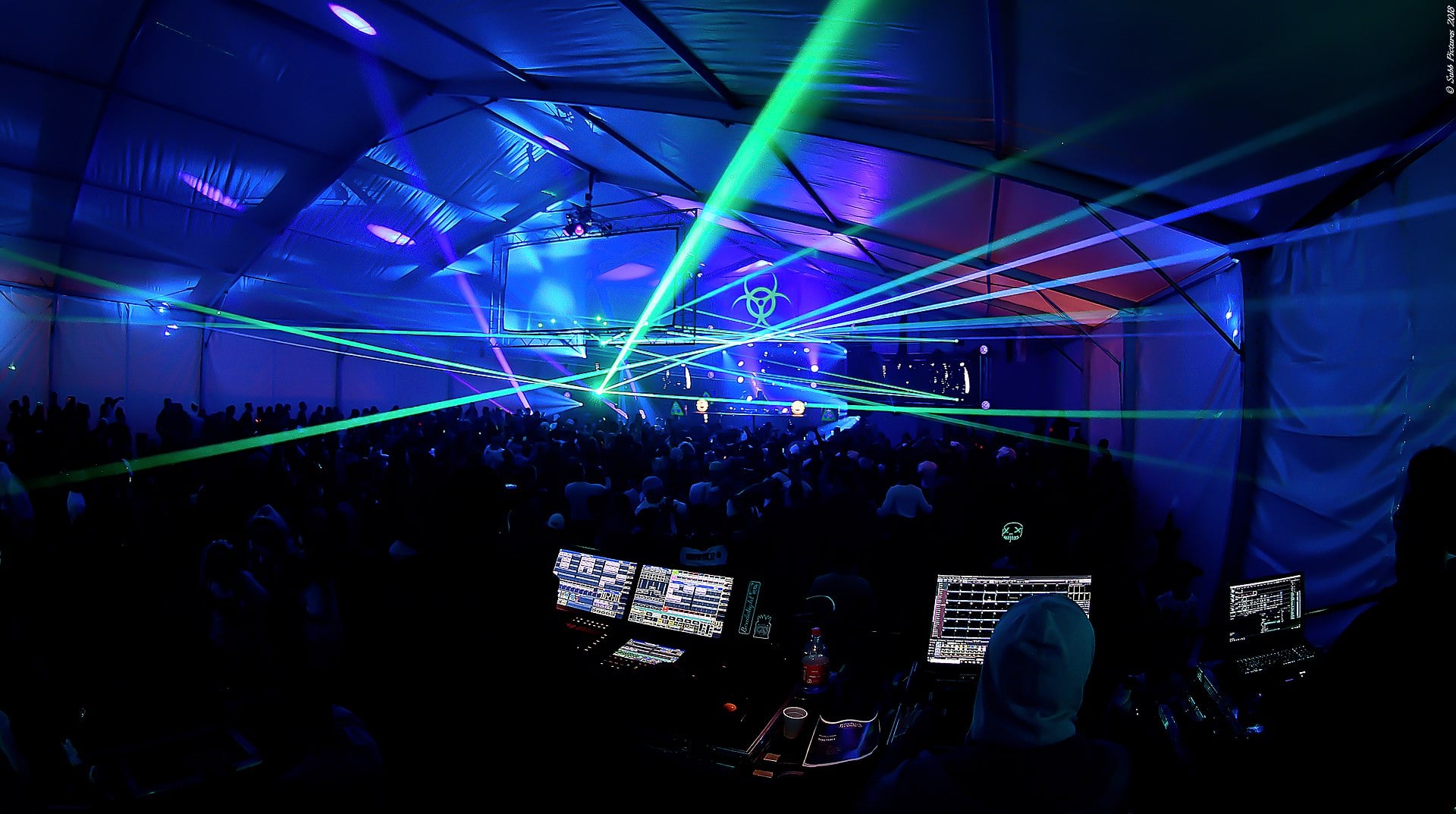
The unceasing interest in techno scene naturally raises the question of what it is about this “technoculture,” as it likes to call itself, that is so attractive and fascinates young people practically all over the world.² The name techno—i.e., Electronic Dance Music (EDM)³—already indicates that it is the result of the modern computerization of music. This music emerged in the second half of the 1980s in the United States, particularly in Detroit, Michigan, and Chicago. The original sound of techno developed from synthesized music shaped by strong African American influences, including Chicago house, funk, electro, and electric jazz. These elements blended with rhythms reminiscent of African tribal drumming, as well as futuristic and science-fiction motifs reflecting the social imagination and lived realities of late-twentieth-century America.

(more…)

The Explorer Poet Podcast | Unconscious Beliefs and Dark Religions with Vladislav Šolc (Audio)

Chicago Society of Jungian Analysts member Vlado Solc appeared on the Explorer Poet Podcast. From the episode description:

In this conversation with Vladislav Šolc, we explore the intersection of Jungian psychology and religion, discussing personal journeys through faith, the concept of dark religion, the importance of self-knowledge, how unconscious beliefs shape our understanding of reality, the role of symbolism in religion, the psychological implications of conspiracies, the quest for consciousness, confronting our inner darkness to achieve personal growth.

Vlado Solc | Healing the Nation in a Time of Narcissistic Split 

This interview by Zuzana Vitková with Vlado Šolc originally appeared in dennikn.sk.

Do American psychologists or psychiatrists currently comment on Trump’s behavior in the public sphere?

Yes, quite often. Beyond Steven Buser’s book Real and Present Danger, American psychologists and psychiatrists have addressed Trump’s behavior in several other works. For example, psychologist Dan P. McAdams offers a detailed psychological portrait in The Strange Case of Donald J. Trump: A Psychological Reckoning. Another example is Dangerous Charisma: The Political Psychology of Donald Trump, which combines psychoanalytic perspectives with political psychology to explore what drives Trump’s behavior and his appeal. These books are part of a broader body of psychological commentary that regularly appears in both academic and public discourse.

In recent weeks, Donald Trump has repeatedly expressed his desire for annexing Greenland, established a “Peace Council” to which he invited Vladimir Putin and several other totalitarian countries, and accepted a framed Nobel Peace Prize from its current laureate. As a Jungian Analyst, what is your reaction when you observe the statements and actions of the American president?

Psychologists and Jungians who study Trump have long pointed out that he exhibits pronounced narcissistic traits. In such a personality structure, the central life aim is the gratification of one’s own needs, and experience, relationships, and reality itself are organized around propping the ego.  Because he has reached this kind of “inflated position” as president of the United States, he is constantly confirming to himself what he can get away with and what his power allows him to do. And the more he tests it, the more distorted his sense of self becomes. The attempt to annex Greenland is, in my view, just another example of the enactment of the grandiose fantasy.

(more…)

Vlado Solc | Ball Games from a Depth-Psychological Viewpoint

Register for Vlado Solc’s upcoming webinar, Individuation in a Divided World: Deception, Lies, and the Quest for Wholeness

In the game, earthly reality becomes fleeting, a moment thrown behind the shoulder and folded into the past. The mind loosens its habitual boundaries and prepares to accept the unimaginable, stepping into a realm governed by different laws. Here it is relieved of the weights that bind it to ordinary life and becomes, if only for a while, free, unbridled, and touched by the divine (Hugo Rahner).

Unrestrained passions, crowd-madness, and the ecstatic swings between euphoria and wrath appear most vividly in the collective dramas of politics, war, and competitive sport. They also surface in religious gatherings and musical concerts, where the psychic temperature rises and the emotional field becomes charged. The danger always lies in the splitting of affect—whether the crowd collapses into the dualistic moral categories of us and them, heroes and enemies. Once this bifurcation takes hold, the group is seized by archetypal forces that can overwhelm individual consciousness.

Ball games have long been one of the principal cultural vessels for these strong energies. For millennia they have offered humanity a symbolic container in which the primordial struggle between life and death, order and chaos, light and shadow, may be enacted. One might therefore ask whether the ball game and religion share a deeper kinship. Do they both serve, in their own ways, the development and enlargement of consciousness? And is this still true today?

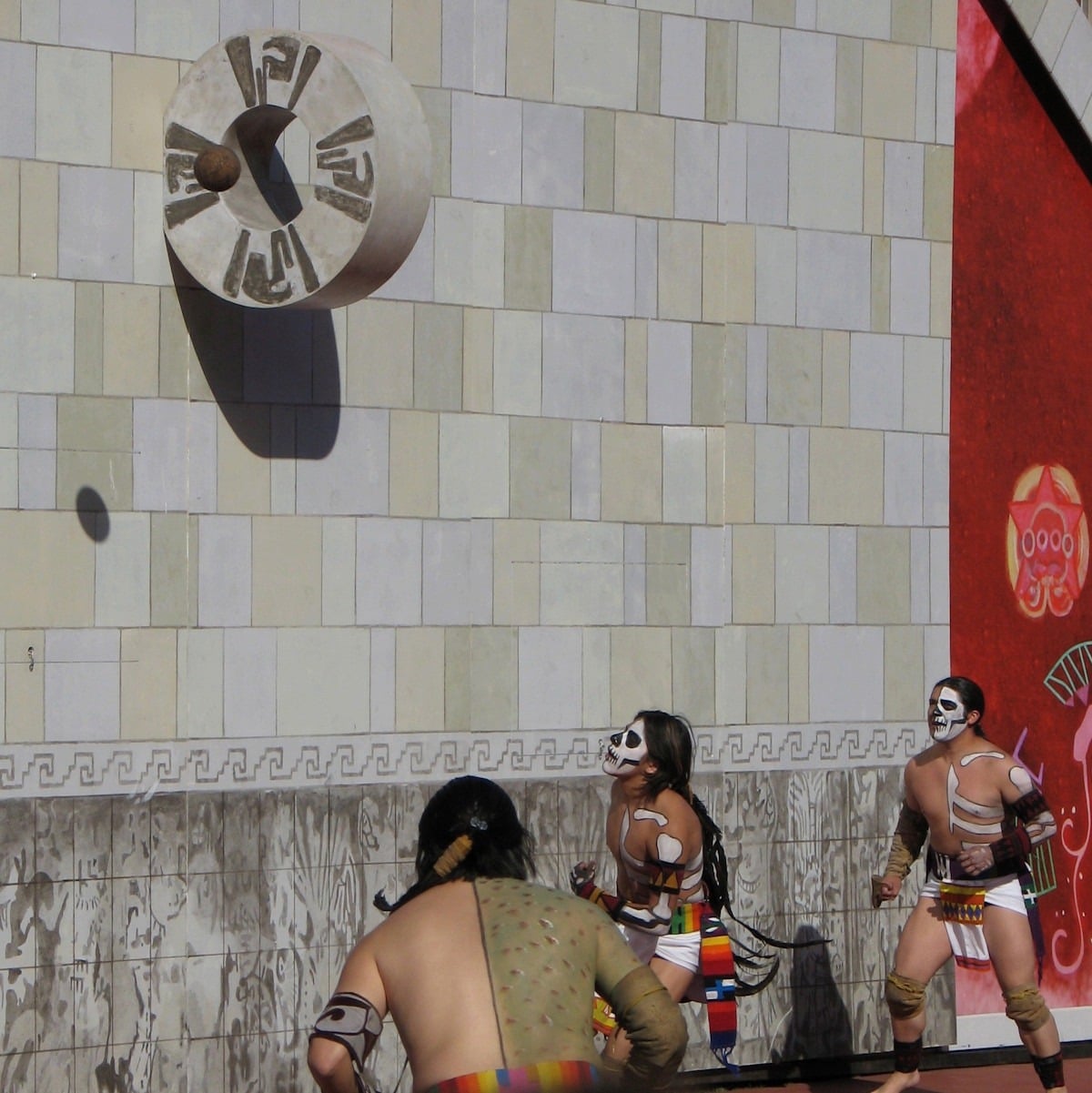
The oldest archaeological evidence of ball games comes from Central America and reaches back more than 3,000 years. Yet the Maya likely played the game known as pitz as early as four and a half millennia ago (Ekholm, 1991). Similar traditions appear in Egypt and Mesopotamia only later. But these ancient ball games were not sports in the contemporary sense. Although crowds filled specially constructed arenas, the games were primarily sacred rituals. Their purpose was to initiate participants into the mysteries of the cosmos, to appease the deities, and to stimulate the fertility of the earth.

(more…)

Vlado Solc | The Witching Time of the Soul: A Jungian Reflection on Halloween and Death

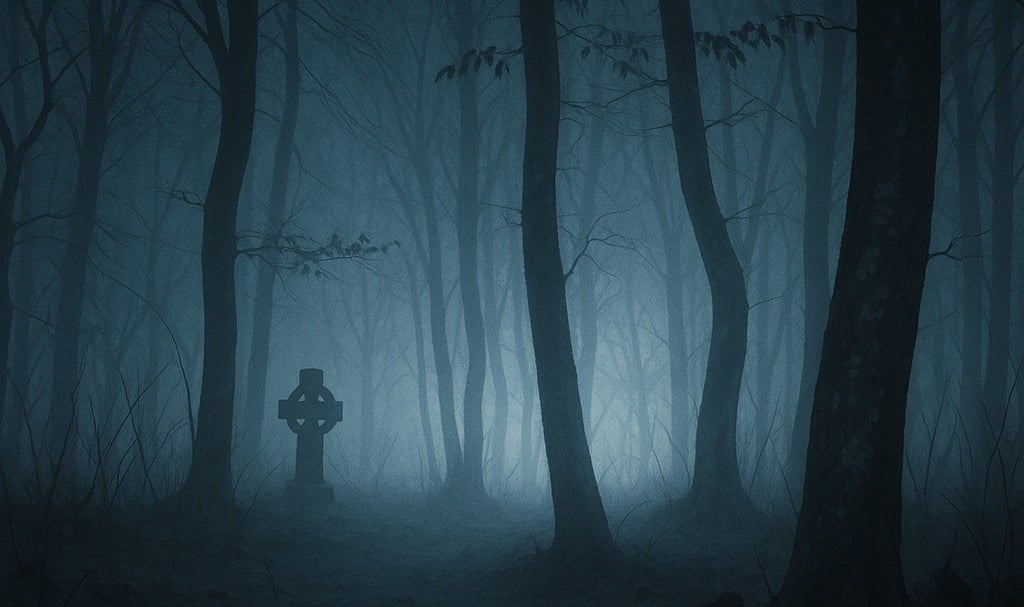
AI Image of a dark forest and a gravestone

‘Tis now the very witching time of night,

When churchyards yawn, and hell itself breathes out

Contagion to this world: now could I drink hot blood.”

(Shakespeare, Hamlet, ca. 1600)

On the thirty-first of October, countries as distant as Mexico, Brazil, Scotland, Australia, New Zealand, Puerto Rico, Canada, and, above all, the United States, celebrate one of the strangest and most popular pagan holidays: Halloween. Over the past two decades, this festival has also taken root in the Czech Republic, Slovakia, and other Eastern European countries, where it overlaps with the Christian commemoration of All Souls’ Day.

Its origins, however, reach back more than two millennia to the ancient Celtic custom known as Samhain, once celebrated in northern France, England, and Ireland. In various forms, this archetypal motif appears in religions and myths across the world. The theme that Halloween brings to consciousness holds deep psychological significance, as it addresses a core insight for curating the well-being of humankind.

Samhain: The End of Summer

The Celts called the festival Samhain. The old Irish and Gaelic word samfuin means “the end of summer” or “the setting of the sun.” The festival marked the conclusion of the harvest and the beginning of the Celtic New Year. The Gallic calendar divided the year into two halves—the dark and the light—each beginning with the months Samonios and Giamonios, respectively. Samhain thus opened the dark half of the year, a time when the sun withdrew and the fires of transformation were kindled. The New Year’s celebration lasted three days—Trinoux Samoni—a triple feast that symbolically contained the movement from life toward death and back again.

(more…)

Vlado Solc | From Illusion to Conscious Suffering: A Jungian View of Politics, Possession, and Redemption

In recent decades, we have observed how high politics and society are being increasingly influenced by low motives and emotional drives such as envy, frustration, manipulation, deception, or revenge. The division of society has intensified, accompanied by aggression and the entrenchment of one-sided positions. In the United States in particular, we are witnessing a rise in irrational attitudes, conspiratorial thinking, and accompanying attacks on pluralism, minorities, those who hold differing opinions and “others.”

The article is an extended and revised version of the one originally published in Vesmír, which was based on an interview that Vlado gave to Psychologie.cz.

Alchemical Nigredo
A decade before Donald Trump’s emergence on the political scene, those impulses had begun to be heard in American society. Psychologically, we might view this as an emergence of the “narcissistic archetype.” Possession by this archetype manifests in the ego as self-absorbed, self-centered focus, where “mine” is presented as universal, righteous, correct, and perfect. Thus, a sense of entitlement arises to impose this ideal upon others, even at the cost of one-sidedness, control, or cruelty. Mythical Narcissus rejected Echo’s love and remained enchanted by his own reflection. This indicates an emotional detachment, splitting off the psychic poles of thinking and feeling—that is, a loss of contact with the soul, the heart—typically accompanied by a loss of compassion, intuition, perspective, and understanding of higher motives. Things that were previously subjected to moral scrutiny are now – under the new paradigm – reconsidered as a new value; bold acts are no longer feared—because now it is done in the name of truth. The new truth! But where is the “old” truth? It is now pushed away by the complex that got constellated. And Trump emerged as a major object of the collective projection of this complex within the American psyche. As the chosen Über-Narcissus, he legitimized shadow emotions—rage, entitlement, xenophobia—emotions that had previously been repressed under the weight of collective scrutiny. Thus, he allowed the collective shadow to manifest openly, without burdening shame.

This opened the door to authoritarian dynamics and narcissistic manipulation. When society becomes psychically fragmented—when people lose both internal and external cohesion—they often seek a dominant figure to restore a sense of order: someone emotionally expressive, seemingly confident and strong. As a rule manipulators and narcissists then contain the chaos during turbulent times and offer temporary relief by directing the collective shadow outward—by way of scapegoating towards the state, immigrants, minorities… Anyone perceived as different. The forms of oppression in a family controlled by a narcissist are quite similar to those by which a totalitarian state controls its citizens.

(more…)

Psychologie.cz | The Fisher King Without Clothes: Interview with Vlado Solc

This article originally appeared on psychologie.cz. Vlado Solc, member of the Chicago Society of Jungian Analysts, is interviewed by Jan Majer, Editor-in-Chief of Psychologie.cz.

In his books, Jungian Analyst Vlado Solc has been describing for many years how high politics is increasingly dominated by base motives – envy, frustration, the need for revenge. The turn of events is unexpected and disturbing. And beneath the surface, something deeper is happening. It’s not about politics, it’s about the soul.


Jan Majer – Years ago, you pointed out that high politics and society were increasingly being driven by low motives — envy, frustration, the need for revenge. In recent weeks, a lot has happened. What new insights have these events brought you? What psychological connection have you realized?

~ Vlado Šolc – Even before Donald Trump entered the political scene, low impulses had begun to awaken in American society. I called it an emergence of the Narcissistic archetypal dynamics. This goes beyond individual vanity — Narcissus is a symbol of psychic fragmentation, of the ego being consumed by an image of oneself to the point that deeper, conscious connection becomes impossible. Psychologically, this represents a splitting of psychic opposites, a loss of living contact with the soul, which typically leads to a loss of compassion, perspective, and understanding of higher motives such as art, ethics, and spirituality.

In this fragmented state, what had previously been considered via lenses of moral anxiety suddenly became a new value, no longer viewed with fear, but with fearless excitement. Trump rose up as a great object of collective projection of this American complex; as a chosen Über-Narcissus, he legitimized these shadowy emotions — rage, entitlement, xenophobia — which had previously been suppressed due to social oversight. He thus gave permission for the collective shadow to manifest openly, without shame.

This opened the door to authoritarian dynamics and all narcissistic manipulation that catalyzes it. When society is psychologically fragmented, when people lose inner and outer cohesion, they often seek a dominant figure to restore a sense of order — someone emotionally expressive, certain, and seemingly strong. Manipulators and narcissists channel the chaos of the collective psyche and provide it with temporary relief by directing the collective shadow outward onto scapegoats: the state, immigrants, or anyone slightly different from oneself.

(more…)

Vlado Solc | QAnon: Eclipse of the Soul

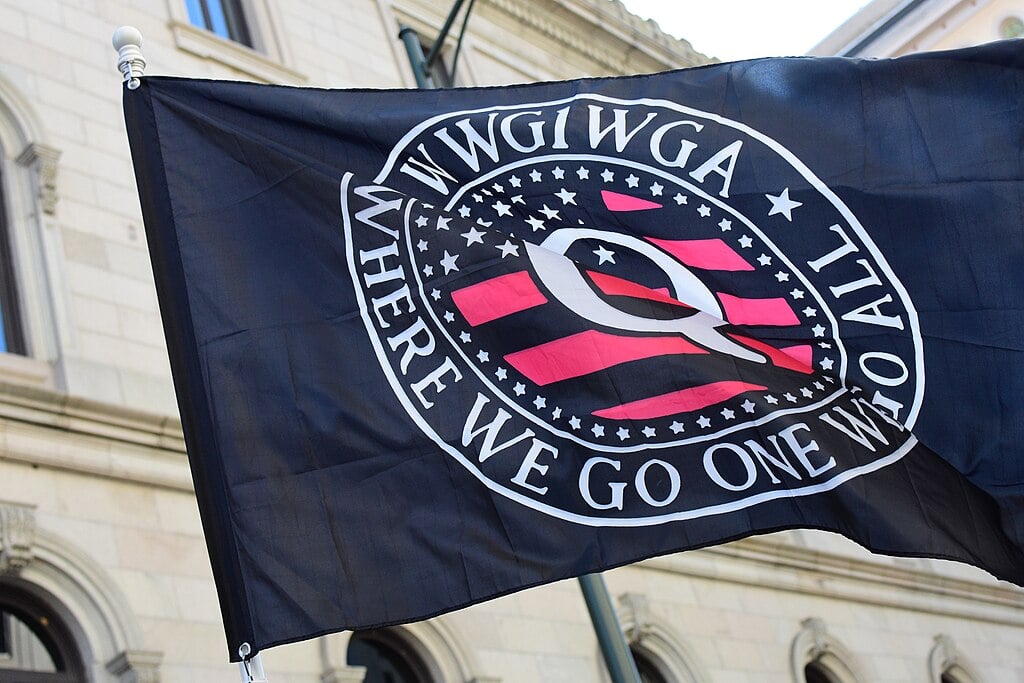
“In an odd way, the conspiracy theorist’s view is both frightening and reassuring. It is frightening because it magnifies the power of evil, leading in some cases to an outright dualism in which light and darkness struggle for cosmic supremacy. At the same time, however, it is reassuring, for it promises a world that is meaningful rather than arbitrary. Not only are events nonrandom, but the clear identification of evil gives the conspiracist a definable enemy against which to struggle, endowing life with purpose.” (Michael Barkun 2003)

Odysseus’ Shipwreck

In the Homeric Opus, the embattled and traumatized Odysseus is shipwrecked at Ogygia Island: “Then, all at once Zeus thundered and hit the ship with a lightning bolt. Smitten by Zeus’ bolt, the ship spun around and was filled with sulphurous fumes. My shipmates fell out of the ship, and, like seahawks, they were carried by waves past the black ship” (Homer, 1871, p. 12.407–19).

(more…)
Jung in the World Didier Solc Episode Banner

Jung in the World | Fundamentalism’s Dark Side: A Jungian View with George Didier & Vladislav Šolc


Two Jungian analysts discuss fundamentalism, shadow, and a new way forward. George Didier and Vlado Šolc, authors of the book Dark Religion: Fundamentalism from the Perspective of Jungian Psychology, join Patricia Martin for a conversation about the psychology of religion as a destructive force and why it is important to understand the shadow side of fundamentalism.

(more…)

Filter Posts

  • About Jung Chicago Radio & Blog

    Jung Chicago Radio is home to a variety of podcasts that range from archival seminar recordings (Institute Archives), to interviews (Jung in the World) to discussion on film (Healing Cinema), fairy tales (Jungian Ever After), and our programs.

    Our Blog shares essays, articles, video, audio, and other resources by members of the Chicago Society of Jungian Analysts and other groups that support the education and development of our community.

    The views and opinions expressed in the podcasts and blog posts are those of the respected speakers or authors and do not necessarily represent the views of the C. G. Jung Institute of Chicago.

    Login

    This search engine will search our public programs, the Jung Chicago Radio and Blog, and our store.

    To search only the store, visit our Store page.

    If you’re looking for a Jungian Analyst, use our Find an Analyst search engine or browse the Chicago Society of Jungian Analysts page.