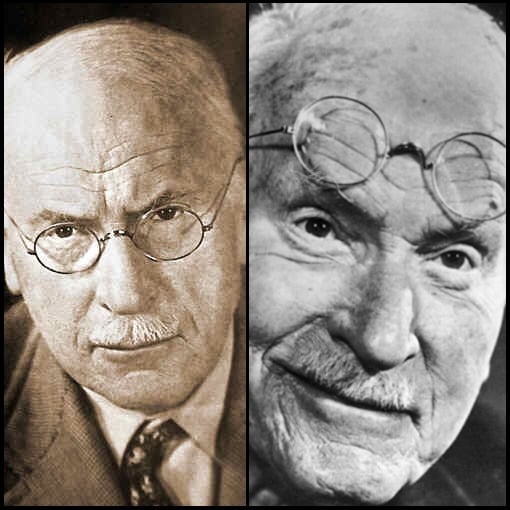
In his memoir, Memories Dreams Reflections, Carl Jung tells us that, as a child, he had the experience of possessing two personalities. This seminar will propose that “Jung’s experience of the difficult dynamic between these two personalities not only informs basic principles behind the development of Jung’s psychological model but underscores the theory and practice of Analytical Psychology as a whole“ (Saban, 2019). This course begins with a description of Jung’s two personalities and how their split influenced and informed his work and his psychology. Following Jung’s own precept that one-sidedness is to be avoided if one is to move toward psychological health and individuation, this seminar will “follow the logic of the two personalities” toward correcting a one-sidedness that “… has long shadowed Jungian psychology.
Learning Objectives
This self-study course is intended to help you:
Identify the origins of key concepts in Analytical Psychology in Jung’s experience of the Two Personalities.
Grasp the root dynamic of within Jung’s notion of individuation.
Identify aspects of the shadow of analytical psychology; specifically a one-sidedness rooted in Jung’s personal psychology.
Reflect upon your own engagement with the future individuation of Analytical Psychology.
Suggested Reading
Saban, M. (2019). “Two Souls Alas”: Jung’s Two Personalities and the Making of Analytical Psychology. Asheville, NC: Chiron Publications. Introduction & Conclusion
Saban, M. (2013). ‘Ambiguating Jung’. In J. Kirsch & M. Stein (Eds.) How and Why We Still Read Jung. Hove, East Sussex, England; New York, NY: Routledge. (pp.6-25)
Jung, C. G., and Jaffé A. (1989). Memories, Dreams, Reflections. New York, NY: Vintage Books Chapter 2 “School Years” (pp. 24-83)
Jung, C. G. (1997) Visions: Notes of the Seminar Given in 1930-1934, Princeton, N.J: Princeton University Press, pp. ix-xxxiii
Cohen, B. (2015) ‘Dr. Jung and His Patients’, Jung Journal 9/2: pp. 34–49
Williams, M., (1963) ‘The Indivisibility of the Personal and Collective Unconscious’, Journal of Analytical Psychology, 8/1 (1963) pp. 45–50
Speaker
Saban, Mark
Mark Saban PhD worked for 20 years as an actor and performer before training with the Independent Group of Analytical Psychologists, with whom he is a senior analyst. He is also the director of the MA in Jungian and post-Jungian studies (with the Department of Psychosocial and Psychoanalytic Studies, University of Essex).
Publications: Mark co-edited (with Emilija Kiehl and Andrew Samuels) Analysis and Activism - Social and Political Contributions of Jungian Psychology (Routledge 2016) and wrote Two Souls Alas: Jung’s Two Personalities and the Making of Analytical Psychology (Chiron 2019) which won the International Association of Jungian Studies’ Best Book of 2019.
This program will be recorded and distributed by the C. G. Jung Institute of Chicago for educational and historical purposes. By registering for this program, you consent to appear as an audience member on a recording that will be distributed by the C. G. Jung Institute of Chicago. Without expectation of compensation or other remuneration, now or in the future, you give your consent to the C. G. Jung Institute of Chicago, its affiliates, and agents to use your image and likeness and/or any interview statements from you in its publications, advertising, or other media activities (including the Internet).