
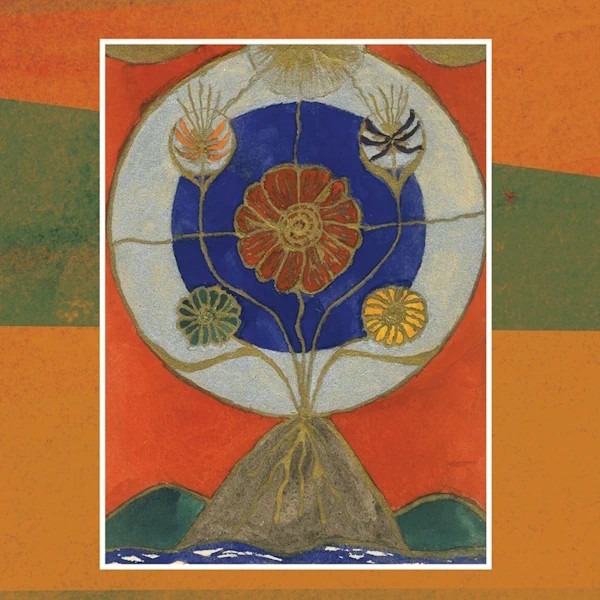
Dr. Erich Neumann, originator of the concept of the ego-self axis, was one of Jung’s most creative students and closest friends, although Jewish and 30 years younger. They both died within seven months of each other. They were in frequent contact from 1933 until 1960, discussing and challenging each other on numerous topics, such as Answer to Job. Neumann focused his work on the nature of evil during the war and came up with a “New Ethics” by which to live, which was highly regarded by Jung. As C. G. Jung wrote in 1949 on the publication of Origins and History of Consciousness, Neumann “succeeded in constructing a unique history of the evolution of consciousness…[arriving] at conclusions and insights which are among the most important ever to be reached in this field.” Neumann’s brilliant mind continued into the areas of the psychology of the feminine, nature and source of creativity, the “mass” man or recollectivization, narcissism, art and the creative unconscious, and the child. His work is foundational for Jungian psychology.
After we are introduced to this brilliant Jungian, we will explore his own inner process of transformation as seen through his active imagination watercolor paintings and compare them to a series of paintings of Jung’s from the Red Book. Then we will go on to discuss their early relationship and interactions, ending with a discussion of evil.
Learning Objectives
This course is intended to help you:
Instructor
 Nancy Swift Furlotti, Ph.D. is a Jungian analyst and psychologist living in Aspen, Colorado. She is a past president of the C.G. Jung Institute of Los Angeles, where she trained, and is a founding member and past president of the Philemon Foundation, which published C.G. Jung’s Red Book. She is a member of the C.G. Jung Institute of Colorado and the Interregional Society of Jungian Analysts. Along with Suzanne and George Wagner, they founded the Kairos Film Foundation whose mission was to preserve the Wagner’s works, “A Matter of Heart”, “The World Within”, and “The Remembering Jung Film Series”. She lectures internationally on Jungian topics such as working with dreams, mythology, trauma, creativity, and psychedelics. Her company, Recollections, LLC, participates in the publication of early analysts’ unpublished material, such as the manuscripts of Erich Neumann: The Roots of Jewish Consciousness, Jacob and Esau; Emma Jung: Dedicated to the Soul: The Writings and Drawings of Emma Jung, and various projects including C. G. Jung and Marie-Louise von Franz. Her own books include: The Dream and its Amplification; Eternal Echoes: Erich Neumann’s Timeless Relevance to Consciousness, Creativity, and Evil; and her recently released book, The Splendor of the Maya: A Journey into the Shadows at the Dawn of Creation.