
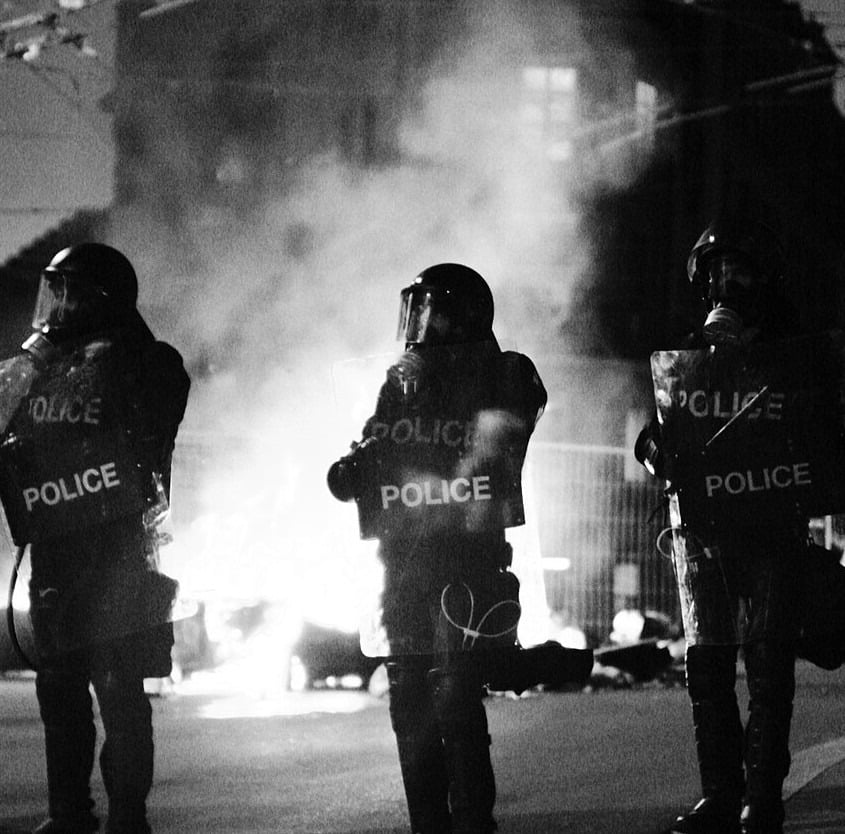
In an age of misinformation, polarization, and collective fear, how can we stay connected to truth—and to ourselves?
This course offers a Jungian exploration of the psychological roots of conspiracy theories, radical belief systems, and cultic movements that shape today’s social and political landscape. Together, we will look at how these movements arise when authentic spirituality loses connection with the unconscious, giving rise to what Jung called Dark Religion—a distortion of the numinous that seeks power rather than meaning.
Through dynamic discussion and depth-psychological reflection, participants will learn how unconscious forces shape collective attitudes, manipulate perception, and fuel ideological extremism. We will also explore ways to remain psychologically grounded and hopeful amid the turbulence of our divided world.
The course includes experiential practices such as active imagination and guided group dialogue to encourage greater awareness, integration, and inner resilience.
Learning Objectives
This course is intended to help you:
Suggested Reading & Reference Material
Instructor
Vlado Šolc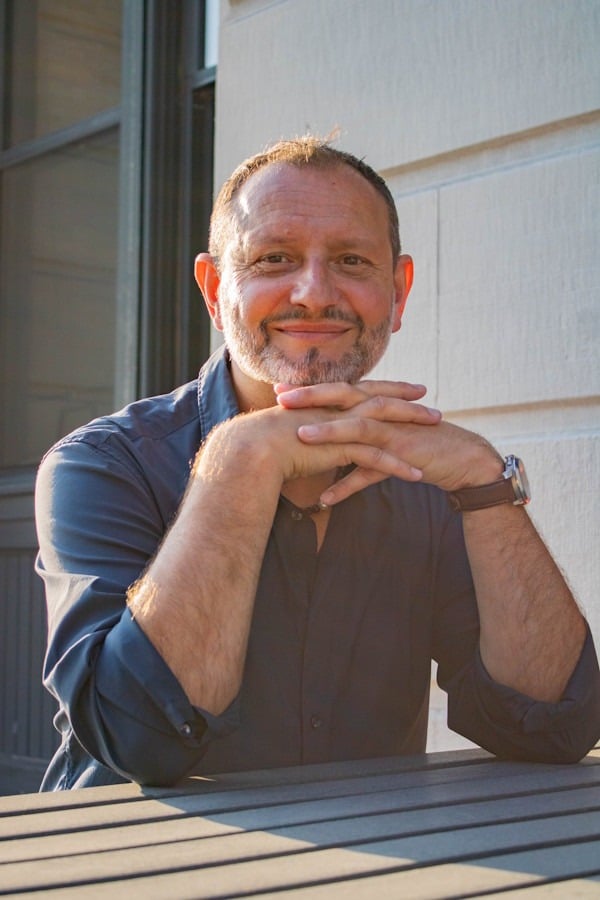 is a Jungian Analyst and psychotherapist based in Glendale, Wisconsin. He received his training from the C.G. Jung Institute of Chicago and Charles University in Prague. Vlado is a member of the International Association for Analytical Psychology (IAAP). His clinical work focuses on psycho-spiritual crises, psychosomatic issues, immigration and cultural adaptation, and women’s empowerment. He also specializes in the treatment of addictions and provides individual and couples therapy for both adult and youth populations. Vlado lectures internationally and is the author of numerous articles and books on depth psychology.
Image credit: File:Civil unrest Lausanne mp3h8561-b.jpg – Wikimedia Commons
