This August, it came to our attention that users were being asked by Microsoft, who was hosting our cloud files, to log into a Microsoft account before allowing them to download their purchases. Due to this unresolved issue with Microsoft, we have migrated all downloads to Dropbox and updated past order links to point the new files. Users should now be able to download purchases without issue.
For more information about downloading purchases from Dropbox, click here.
If you have any questions about this migration or your account, please email jung@jungchicago.org.
Bestselling poet Mark Nepo joins Patricia Martin in conversation about our creative lives and nurturing expression to bear witness to the sorrow, depth, and joy of life.
“In the Dark Night of the Soul, Bright Flows the River of God” (Juan de La Cruz)
Human beings have been seeking to periodically experience the profound love towards the Divine as well as the intense beauty and ecstasy that comes with it. This union was sought by the poet, Juan de Yepes y Alvarez (better known as Juan de La Cruz – John of the Cross), and this article will focus primarily on understanding some sentences from a mystic poem that he wrote as well as amplifying them with the wisdom of the Kogi Indians.
On a side note, I make the contention that a similar experience is reached by the individual, at some point, at the farthest end of the process of individuation and wholeness, during a Jungian Analysis that is methodologically conducted in the manner delineated by Jung, which was closely followed by his early collaborators (Von Franz, Hannah, Harding, Edinger, etc).
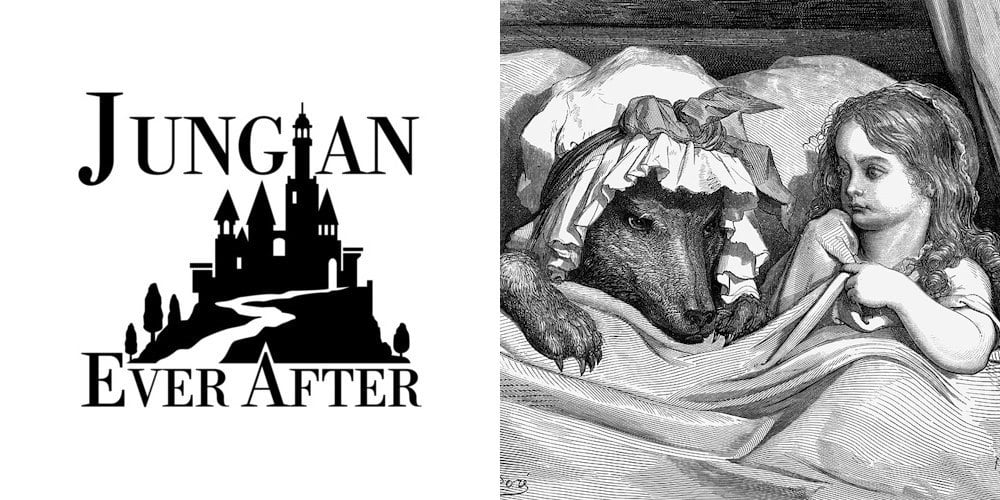
The story is “Little Red Cap” this time, better known as “Little Red Riding Hood”. We discuss such topics as the 3 faces of the Great Mother, the nature of wolves, and of course our good friend Trickster. Please note that there is also some discussion of rape in this episode, if that is something that will upset you, this may be one to skip.
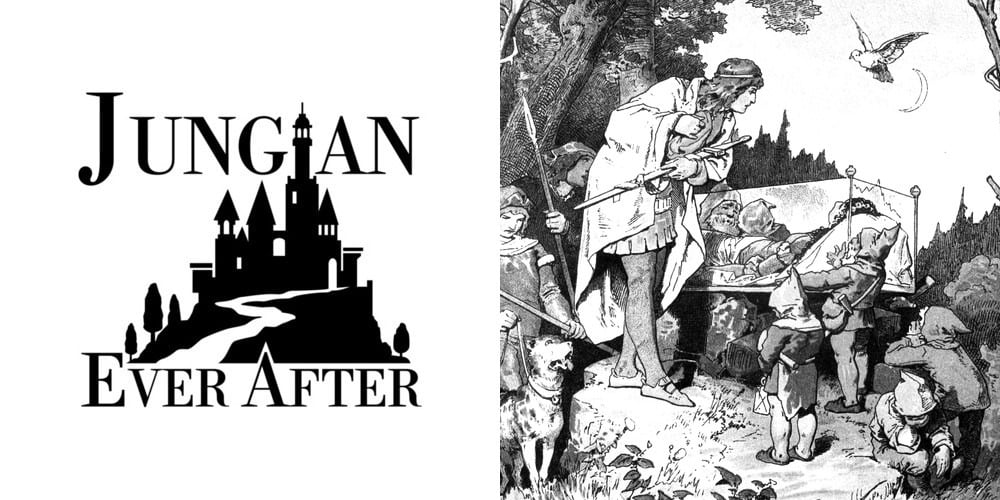
Our part 2 coverage of Snow White discusses Anima/Animus and how it has shaped the way people perceive and project gender roles at varying points in history.
We’ve reached 50% of our Spring Fundraising Drive goal of $30,000! We need your support so our podcast, courses, and training programs can continue to education Jungian Analysts and students around the world. Donate
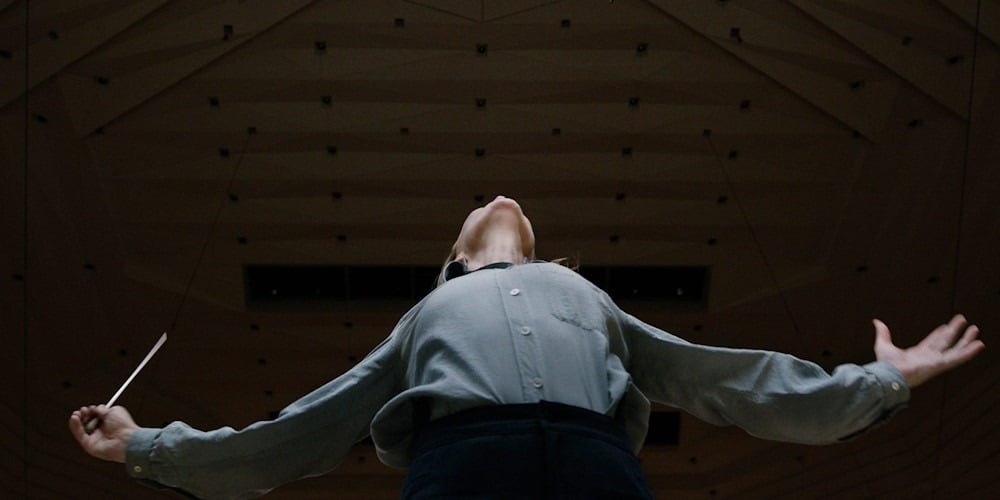
Jungian Analysts Judith Cooper and Daniel Ross discuss Tár, the 2022 film written and directed by Todd Field. It stars Cate Blanchett as Lydia Tár, a renowned conductor who is accused of sexual misconduct.
This episode is a pilot of our transcription process. If you have any feedback about the transcript, please email jung@jungchicago.org.
University of Chicago Professor and online game designer Patrick Jagoda, PhD talks with Patricia Martin about ways that online games and new media apply Jungian theory to create emotional bonds with users.
It is rather deflating and narcissistically painful for the so-called adult human ego to humbly accept that there is a colossal spirit that nourishes, guides and determines his/her life.
The mystical writer, Francis De Sales wrote the following:
“There, as the famished babe cleaves to its mother’s breast as though it would fain absorb it, so our panting soul cleaves to God as though to be forever absorbed in Him, and He in us!”
The industrialized fascination with visibility and the scientific discrimination against the soul has led the human ego to erase, from consciousness, the idea that there is a soul. The human ego has appointed itself as the primary and exclusive factor in the psychology of the individual.
Furthermore, God does not exist for a large segment of the population and, therefore, the experiential and practical idea that there is a God image in us that determines our lives, as Jung brilliantly demonstrated through the experience of Jungian analysis, has little acceptance and relevance in industrialized and technological societies.
Our Spring Fundraising Drive coincides with the completion our first year of in-person classes and events since the COVID crisis. The predominant feeling this year has been one of joy to be able to be together in person.
It began at our September graduation celebration of five new analysts from the Analyst Training Program. More recently, our annual “Community Day” presented a day long program on the work of Marie-Louise von Franz at Loyola’s Lakeside Campus. Our academic year will conclude this June with the graduation celebration of students completing the two-year Jungian Psychotherapy and Jungian Studies Programs.
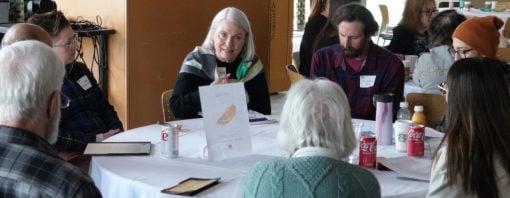
Group Discussion on Community Day
In May, we are honored to present a lecture by Donald Kalsched “Opening the Closed Heart: A New Look at Jungian Depth Psychology in Light of Trauma, Affect Theory and Defense.” This event is being held at the Union League Club preceded by a Communal Supper and is open to JPP/JSP graduates and to anyone who becomes a member of the Institute. The fee is less than half of the actual cost, thanks to a generous grant from an anonymous donor.
Our podcast, Jungianthology, ranks in the top 50 social science podcasts in the United States on Apple Podcasts and this January passed 1 million downloads. We are working toward consistently publishing two episodes every month to our 10,000 listeners spread over 100 countries.
I am inviting you to join with others in financially supporting our exciting plans for the coming year, which includes welcoming a new cohort for the JPP/JSP two-year program, planning for more online and in person public programs, continued expansion of our podcast, and, of course, continuing the excellence of our Analyst Training Program with the largest number of students in recent memory.
Candidates in the Analyst Training Program
Please visit the Support Us page to learn more details about our programs and when you do, kindly give a generous donation to our Spring Fundraising Drive. Members of the Chicago Society of Jungian Analysts have donated $6,000 as a matching grant to kick things off, but we need your generous contributions to reach a minimum goal of $30,000 to meet our programming needs.
Snow White is one of the most recognized fairy tale stories and characters but, as usual, not many people are familiar with the Grimm version. Part one centers around Archetypal Evil and how it taints those who come into contact with it.
Fire as a feminine aspect is the central image of this workshop by Jungian analyst and author Jean Shinoda Bolen. Fire takes many forms in our imagination, dreams, metaphors, and in our life experiences. We think of hearth fire, campfire, creative fire, passionate fire, consuming fire, destructive fire, transforming fire, wildfire, Pentecostal fire, fire signs, fiery redheads, fire-breathing dragons and firewalks. We fight fire with fire and go through the fire; our fire is put out, rekindled, and dampened: we can be fired up, flare up, burnt up, and burned out. We tend the fire and keep the homefires burning. Fire as a feminine quality is about spirit, energy, and intensity, about warmth and illumination, about rage and outrage. Inner fire is reflected in our work, in our relationships, and in the activist and feminist stances we take in the world. Using poetry and a guided meditation, Dr. Bolen’s workshop helps the listener gain insights into herself and find her personal symbols.
The publication of Robert Lewis Stevenson’s The Strange Case of Dr. Jekyll and Mr. Hyde in January of 1886 created a shock wave in the consciousness of its readers. It was an instant success in and beyond the literary world as people were confronted with the uneasy thought that evil originated within the individual and not from an external source like the Devil. This was nine years before Freud conducted his first psychoanalysis, and decades before Jung introduced the concept of the shadow.
Stevenson was known as the author of Treasure Island and children’s poetry, but had long been looking for a vehicle to write about the strange “Other” he had been aware of since his childhood nightmares. The inspiration for Jekyll and Hyde came directly from a dream, and he attributed most of his literary success to help from the “Brownies,” the “little people,” in his interior world and dreamland. The novel can be viewed in relation to the love-hate relationship with his father, whom he depended upon for financial support during his lifelong struggles with severe respiratory illness, which led to drug addiction from his attempts to cope with the illness. For Stevenson, the Other was primarily the dark side of the strict Calvinistic religion of his father and proper late 19th century Scottish culture, yet the concept is even more relevant today as we face the evils of terrorism, racism, white-collar crime, Putin and rising authoritarianism, and intolerable levels of polarization in many modern societies.
The article is free to read in full until July 31, 2023. PDF and EPUB files available.
Dennis Merritt, PhD, LCSW grew up on a small dairy farm in Wisconsin where he established a deep connection with the land as reflected in his four volumes of The Dairy Farmer’s Guide to the Universe: Jung, Hermes, and Ecopsychology. He obtained a Ph.D. from Berkeley in insect pathology, microbial control of insect pests, before training at the C. G. Jung Institute in Zurich. He practices as a Jungian analyst and ecopsychologist in Milwaukee, Wisconsin and is a senior analyst in the Chicago Society of Jungian Analysts. More at JungianEcopsychology.com.
Our Blog shares essays, articles, video, audio, and other resources by members of the Chicago Society of Jungian Analysts and other groups that support the education and development of our community.
The views and opinions expressed in the podcasts and blog posts are those of the respected speakers or authors and do not necessarily represent the views of the C. G. Jung Institute of Chicago.