Archetypes

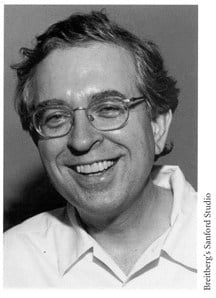
Dennis Merritt | Use of the I Ching in the Analytic Setting

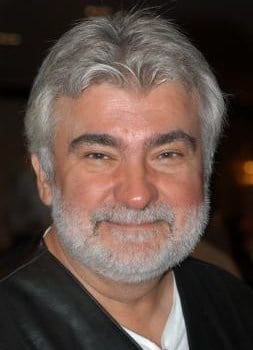
The First International Conference on Jungian Psychology and Chinese Culture was held in Guangzhou, China in December, 1998. My paper was among the conference papers translated into Chinese and later published in English in Quadrant XXXI (2) Summer 2001. An abridged and slightly revised version is presented here.

Hexagram 42, Increase

For many Westerners an introduction to Chinese culture comes through the use of the I Ching. This profound book, a compendium of wisdom extending back to the roots of one of the planet’s most ancient cultures, has become an important companion for many in the West, including myself. Use of the I Ching challenges the reigning scientific paradigms in Western culture and brings a dimension to the Jungian psychoanalytic process that is sympathetic to the deepest and truest spirit of Jungian psychology.

            In Jungian terms, one could say the I Ching is a book that emerged out of the archetypal depths of the human psyche and the psychoid dimensions of the Self. The origins of dreams and the genesis of hexagrams in response to questions addressed to the I Ching are grounded in the same source. The Chinese ideogram for the sage, “the ear listening to the Inner King,” describes the process and goal of Jungian psychology.

            Scientists are giving ecological perspectives more credibility, where patterns of relationships are central. Psychoneuroimmunology research and the statistical verifications of the power of prayer and belief blur the distinctions between mind and matter. Our outlook on life, the way we perceive the world, and our ability to reflect and see meaning in experiences have been shown to affect our health and physical well-being. Dreams, particular psychological approaches, certain spiritual practices, and the I Ching address these issues at deep and subtle psychogenic levels where mind and matter meet (1).

            Analysts are in a good position to notice synchronistic events because we work with dreams at an archetypal level. Synchronistic events are usually related to archetypal events like birth, death, strong love relationships, and jealousy. Circumstantial evidence that synchronicities occur prompted me to develop an experiment to statistically test the possibility. This was part of my thesis (1983) at the Jung Institute in Zurich entitled “Synchronicity Experiments with the I Ching and Their Relevance to the Theory of Evolution.”

            Synchronicity convinced Jung there was an element of the psyche outside time and space: space and time are relative to the psyche (3). Incorporating the concept of synchronicity into his theoretical system late in his life led Jung to substantially reformulate his concepts of archetypes and the collective unconscious, putting them on a transcendent basis. Jung thought of archetypes as forms of existence without time and space, with the archetype per se being a “just so” ordering principle, an imperceptible structural element giving order to ideas and completely integrated with physical reality (4). Archetypes have a psychoid nature, meaning they have both a psychic and a physical dimension: psychic and physical are two sides of the same coin (5). An analogy in physics would be light, which behaves as a particle and a wave; matter (particles) and field somehow being two sides of the same phenomena…

(more…)

Dan Ross on Death and Immortality

In this video seminar, Daniel Ross shares some of his work from our podcast episode “Death Panels: Our Cultural Complex Around Death”. This event was hosted by the USA India Jung Foundation – a 501c(3) foundation that does charitable work in India and USA – and was presented at the Ahmedabad Jung Center, India an IAAP Developing group (uijf.org) and moderated by Ashok Bedi – the IAAP liaison person for the Ahmedabad Jung Center. Thank you to the USA India Jung Foundation for sharing this recording of a seminar we only have on audio.

Daniel Ross, RN, PMHNP, MSN, MBA has been a nurse for 40 years. He has worked extensively as Director of Clinical Services in the field of home health care and hospice. As a Psychiatric Mental Health Nurse Practitioner, he brings both a medical and psychiatric experience to his work. He currently works part time in the field of Palliative Care and Hospice as a Nurse Practitioner, visiting patients in their home or nursing facility helping them in their transition to hospice. He is also a Jungian Analyst in private practice in downtown Chicago.

Links: Dan Ross’s Page on the C. G. Jung Institute of Chicago Website | Dan Ross’s Website | The USA India Jung Foundation Website

They Had a Dream (We Have a Dream): C G Jung, MLK, and the Evocative Power of Symbols

with Jennifer Leigh Selig, PhD

In continuation of our COVID-19 response, we are sharing another full seminar. You can support our ongoing efforts to provide free and low-cost educational resources during this pandemic by making a donation on our website or a purchase in our audio and video store. We have extended our Stay Connected Sale through May 31st, so you can still get 40% everything in our store (use the coupon code CONNECT on the cart page before checkout).

Jung initially rejected the invitation to write Man and His Symbols, whose intention was to make Jungian psychology understandable to a general audience, but a dream convinced him otherwise. In his dream, he speaks to a multitude of enthralled people who understand everything he says. In this presentation on Chapter 1 of Man and His Symbols, “Approaching the Unconscious,” we’ll explore how two years after Jung completed both his chapter and his life, Martin Luther King, Jr. spoke to a multitude of enthralled people and translated many Jungian concepts into everyday language in his “I Have a Dream” speech. Jung’s chapter is concerned with four major areas—the unconscious, dreams, archetypes, and symbols—all four of which we find illustrated and translated to a general audience in King’s dream speech. We’ll dream the dream forward into the 2020 election and see how leading presidential candidates are working with archetypes and symbols as well, on behalf of the psychological health of the body politic.

A PDF of the PowerPoint shown during the seminar, which includes links to the videos on YouTube, is available HERE . It was recorded on October 4, 2019.

Jennifer Leigh Selig, PhD is the founder and former chair of the Jungian and Archetypal Studies doctoral degree at Pacifica Graduate Institute. She has spent almost two decades researching, writing about, and presenting on Martin Luther King, Jr., including her 2005 title, Integration: The Psychology and Mythology of Martin Luther King, Jr. and His (Unfinished) Therapy With the Soul of America. Her latest books include Everyday Reverence: A Hundred Ways to Kneel , Kiss the Ground, and a co-authored volume titled Deep Creativity: Seven Ways to Spark Your Creative Spiritjenniferleighselig.com

Support Us: Visit Our StoreMake a Donation

Thank you to our 2019 Supporter level donors: Bill Alexy, Usha and Ashok Bedi, Circle Center Yoga, Arlo and Rena Compaan, Eric Cooper and Judith Cooper, Lorna Crowl, D. Scott Dayton, George J. Didier, the Kuhl Family Foundation, Ramaa Krishnan & Full Bloomed Lotus, Suzanne G. Rosenthal, Deborah Stutsman, Debra Tobin, Alexander Wayne and Lynne Copp, Gerald Weiner.


© 2019 Jennifer Leigh Selig. This podcast is licensed under a Creative Commons Attribution-NonCommercial-NoDerivatives 4.0 International License. You may share it, but please do not change it, sell it, or transcribe it.
Music by Michael Chapman
Edited and produced by Benjamin Law

Death Panels: Our Cultural Complex Around Death

with Dan Ross, RN, PMHNP

In recognition of the current COVID-19 pandemic and the crisis affecting our healthcare system, we are sharing a recent seminar by Dan Ross, “Death Panels: Our Cultural Complex around Death”, in its entirety. This seminar was part of our public program series this year, and was recorded on February 28th, 2020.

The Spirit of the Times shapes our heroic attitude toward disease and death. Instead of the initiatory experience that fear of death can provide, we are paralyzed in our fear and cling to images of immortality found in modern medical institutions. The Affordable Care Act’s provision of reimbursing medical practitioners for having end-of-life discussions with patients with life-limiting illnesses constellated a collective panic. The cultural complex distorted these simple end-of-life discussions (brilliantly discussed in the best-selling book by Atul Gawande, Being Mortal) into what were called “Death Panels.” The fear was that a group of professionals would sit around and decide whether we should live or die. What was behind this cultural complex?

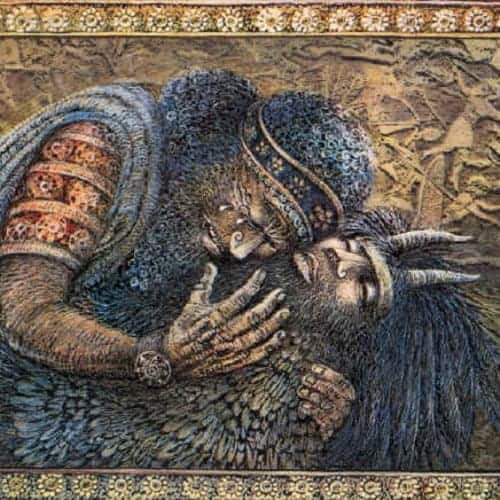
When we are forced to engage with the healthcare industry through illness, we are carried along a hero’s journey to treat death as the ultimate evil, and, in the process, we miss the transformative opportunities an encounter with death can provide. How did modern medicine come to carry for us the image of immortality? In this program, we will use myth, literature, and film to explore the Spirit of the Depths to better understand the archetypal underpinnings of modern medicine’s relationship to death and immortality.

PowerPoint slides used in the talk are available HERE

Dan Ross, RN, PMHNP, MSN, MBA has been a nurse for 40 years. He has worked extensively as Director of Clinical Services in the field of home health care and hospice. As a Psychiatric Mental Health Nurse Practitioner, he brings both a medical and psychiatric experience to his work. He currently works part time in the field of Palliative Care and Hospice as a Nurse Practitioner, visiting patients in their home or nursing facility helping them in their transition to hospice. He is also a Jungian Analyst in private practice in downtown Chicago.

Support Us: Visit Our StoreMake a Donation

Thank you to our 2019 Supporter level donors: Bill Alexy, Usha and Ashok Bedi, Circle Center Yoga, Arlo and Rena Compaan, Eric Cooper and Judith Cooper, Lorna Crowl, D. Scott Dayton, George J. Didier, the Kuhl Family Foundation, Ramaa Krishnan & Full Bloomed Lotus, Suzanne G. Rosenthal, Deborah Stutsman, Debra Tobin, Alexander Wayne and Lynne Copp, Gerald Weiner.


© 2020 Dan Ross. This podcast is licensed under a Creative Commons Attribution-NonCommercial-NoDerivatives 4.0 International License. You may share it, but please do not change it, sell it, or transcribe it.
Music by Michael Chapman
Edited and produced by Benjamin Law

Facing the Gods: Archetypal Patterns of Existence

Preparing to Meet the Gods: The Soul Turned Inward with John Van Eenwyk, PhD

Experiencing the archetypes as personified gods and goddesses active in our lives reveals the great powers shaping our moods, choices, and actions. Facing the Gods: Archetypal Patterns of Existence illuminates the Olympian stories that serve as reflecting pools where we, as psychic heirs of Greece, discover ourselves. By recognizing the gods and goddesses at work we can gain release from archetypally determined patterns. It was recorded in 1991. This episode is part one of the series, which includes the following individual lectures:

  1. Preparing to Meet the Gods: The Soul Turned Inward – John Van Eenwyk
  2. Hera – Lois Khan
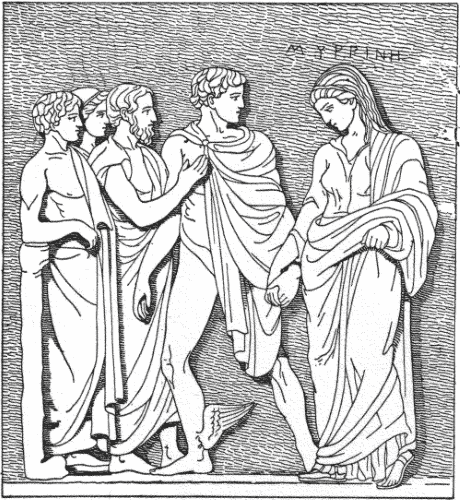
  3. Hermes – Murray Stein
  4. Demeter and Kore – Lucille Klein
  5. Athena – Anne Avery
  6. Zeus – Lee Roloff
  7. Aphrodite and Eros – James Wyly
  8. Dionysus – Caroline Stevens

Dr. John R. Van Eenwyk received his PhD in religion and psychological studies from the University of Chicago.  A clinical psychologist and Training Analyst with the Pacific Northwest Society of Jungian Analysts, he maintains a private practice in Jungian Analysis in Olympia, Washington.  He is also an ordained priest in the Episcopal Church and a Clinical Instructor at the University of Washington School of Medicine. The author of Archetypes and Strange Attractors: The Chaotic World of Symbols, he publishes widely and lectures internationally on both Jungian psychology and the treatment of torture survivors.

For the full series, CLICK HERE
For more by Dr. Van Eenwyk, CLICK HERE

Support Us:     


© 1991 John Van Eenwyk. This podcast is licensed under a Creative Commons Attribution-NonCommercial-NoDerivatives 4.0 International License. You may share it, but please do not change it, sell it, or transcribe it.
Music by Michael Chapman
Edited and produced by Benjamin Law

Breaking the Code of the Archetypal Self: An Introductory Overview of the Research Discoveries Leading to Neo-Jungian Structural Psychoanalysis

with Robert Moore, PhD

This lecture is the first part of the series Structural Psychoanalysis and Integrative Psychotherapy: Introduction to a Neo-Jungian Paradigm, which contains the following lectures:

  • Lecture 1 – Breaking the Code of the Archetypal Self:  An Introductory Overview of the Research Discoveries Leading to Neo-Jungian Structural Psychoanalysis
  • Lecture 2 – Deep Structures and the War of the Psychological Systems
  • Lecture 3 – Structural Diagnosis: A Neo-Jungian Approach to Understanding Psychopathology
  • Lecture 4 – Toward a “Structural Cure” in Integrative Psychotherapy: Foundations
  • Lecture 5 – The Necessary Partnership between Integrative Psychotherapy and Integrative Spirituality: Fundamentals of a Neo-Jungian Postmodern Vision

Robert Moore, PhD was Distinguished Service Professor of Psychology, Psychoanalysis and Spirituality in the Graduate Center of the Chicago Theological Seminary where he was the Founding Director of the new Institute for Advanced Studies in Spirituality and Wellness. An internationally recognized psychoanalyst and consultant in private practice in Chicago, he served as a Training Analyst at the C.G. Jung Institute of Chicago and was Director of Research for the Institute for Integrative Psychoanalysis and Psychotherapy and the Chicago Center for Integrative Psychotherapy. Author and editor of numerous books in psychology and spirituality, he lectured internationally on his formulation of a neo-Jungian  psychoanalysis and integrative psychotherapy.  His publications include THE ARCHETYPE OF INITIATION: Sacred Space, Ritual Process and Personal TransformationTHE MAGICIAN AND THE ANALYST: The Archetype of the Magus in Occult Spirituality and Jungian Psychology; and FACING THE DRAGON: Confronting Personal and Spiritual Grandiosity.

For the complete series, CLICK HERE.
For all of Dr. Moore’s lectures, CLICK HERE.

Support Us:     


© 2006 Robert Moore. This podcast is licensed under a Creative Commons Attribution-NonCommercial-NoDerivatives 4.0 International License. You may share it, but please do not change it, sell it, or transcribe it.
Music by Michael Chapman
Edited and produced by Benjamin Law

The Four Couples Within: The Structure of the Self and the Dynamics of Relationship

with Robert Moore, PhD

This episode is part one of the series The Four Couples Within: The Structure of the Self and the Dynamics of Relationship. It was recorded in 1989.

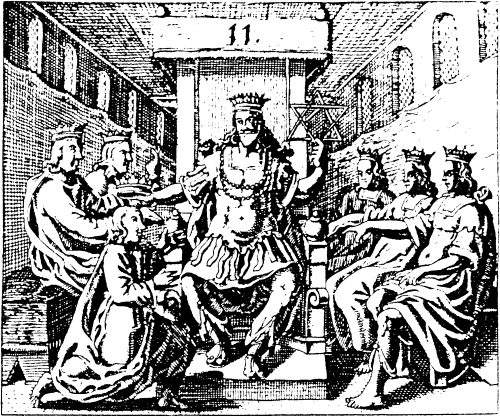
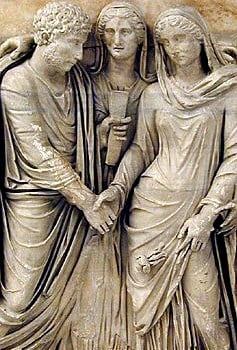
The four archetypal couples inherent in the Self—the King and Queen, the Warriors, the Magicians, the Lovers—create four distinct psychosocial environments within a relationship. The archetypal dynamics underlying both fulfillment and frustration in human relationships are examined in this seminar recording, with particular focus on marital dynamics and sexual dysfunction.

Robert Moore, PhD was Distinguished Service Professor of Psychology, Psychoanalysis and Spirituality in the Graduate Center of the Chicago Theological Seminary where he was the Founding Director of the new Institute for Advanced Studies in Spirituality and Wellness. An internationally recognized psychoanalyst and consultant in private practice in Chicago, he served as a Training Analyst at the C.G. Jung Institute of Chicago and was Director of Research for the Institute for Integrative Psychoanalysis and Psychotherapy and the Chicago Center for Integrative Psychotherapy. Author and editor of numerous books in psychology and spirituality, he lectured internationally on his formulation of a neo-Jungian  psychoanalysis and integrative psychotherapy.  His publications include THE ARCHETYPE OF INITIATION: Sacred Space, Ritual Process and Personal TransformationTHE MAGICIAN AND THE ANALYST: The Archetype of the Magus in Occult Spirituality and Jungian Psychology; and FACING THE DRAGON: Confronting Personal and Spiritual Grandiosity.

For the complete series, CLICK HERE
For all of Dr. Moore’s lectures, CLICK HERE

Support Us:     


© 1989 Robert Moore. This podcast is licensed under a Creative Commons Attribution-NonCommercial-NoDerivatives 4.0 International License. You may share it, but please do not change it, sell it, or transcribe it.
Music by Michael Chapman
Edited and produced by Benjamin Law

The Structure and Dynamics of the Psyche

with August Cwik, PsyD

This episode is the first half of Structure and Dynamics of the Psyche: The World According to C.G. Jung. It was recorded in 1992.

Cwik introduces the basic elements of the psyche as described by Jung: persona, ego, shadow, complex, the Self, archetype, and collective unconscious.

This lecture is part of the set An Intensive Overview of Analytical Psychology, which includes the following lectures:

  1. Structure and Dynamics of the Psyche, August Cwik
  2. The Ego and Its Relations with the Unconscious, Robert Moore
  3. Psychological Types, Thomas Patrick Lavin
  4. Persona and Shadow, John Van Eenwyk
  5. Anima and Animus, James Wyly
  6. Self: Center of the Psyche, Diane Martin
  7. Dreams and Active Imagination, Lois Khan
  8. Analysis and Individuation, John Van Eenwyk

Dr. Cwik is a clinical psychologist, hypnotherapist and senior diplomate Jungian Analyst in private practice in the Chicago area. After studying Chemistry as an undergraduate, he entered military service and then changed his career path to psychology. After studying with Rosiland Cartwright in the Dream and Sleep Lab at the University of Illinois, Chicago Circle, he was in the first class at the Illinois School of Professional Psychology. He interned at the University of Maryland, School of Medicine, Department of Psychiatry where he trained in hypnotherapy and psychoanalytic psychotherapy and returned to Chicago to begin private practice. He is on the teaching faculty of the Chicago Institute and the Florida and Minnesota Seminars for the Interregional Society of Jungian Analysts. He is an Assistant Editor for the Journal of Analytical Psychology. He is former: Co-Director of Training of the Analyst Training Program in Clinical Supervision and Curriculum and Co-Director of Clinical Training Program in Analytical Psychotherapy at the C.G. Jung Institute of Chicago, and Senior Adjunct Faculty at the Illinois School of Professional Psychology. He provides videoconferencing supervision and analysis.  He has published on analytic structure, supervision, alchemical imagery, active imagination, dreams, and numerous reviews.

For the complete seminar, CLICK HERE
For the complete series, CLICK HERE
For all of August Cwik’s lectures, CLICK HERE

Support Us:     


© 1992 August Cwik. This podcast is licensed under a Creative Commons Attribution-NonCommercial-NoDerivatives 4.0 International License. You may share it, but please do not change it, sell it, or transcribe it.
Music by Michael Chapman
Edited and produced by Benjamin Law

Mythology and Psychology: A Jungian Perspective

with Robert Moore, PhD

This episode is part one of the series Myth and Psyche: An Introduction to Jungian Perspectives on Human Mythology. It was recorded in 1992.

According to Jung, myth-making is a natural and impersonal potential present in the collective unconscious of all peoples throughout all times. Drawing on the contributions of Jung, Campbell, and Eliade, this course explores the role of myth in human life. Five of the major mythological themes prominent in world mythology are examined in terms of their contemporary psychological and cultural significance:

  1. Mythology of Creation
  2. Mythology of The Divine Child
  3. Mythology of The Hero
  4. Mythology of The Shaman
  5. Mythology of The Apocalypse

This episode is the introductory session for the series, titled “Mythology and Psychology: A Jungian Perspective”.

Robert Moore, PhD was Distinguished Service Professor of Psychology, Psychoanalysis and Spirituality in the Graduate Center of the Chicago Theological Seminary where he was the Founding Director of the new Institute for Advanced Studies in Spirituality and Wellness. An internationally recognized psychoanalyst and consultant in private practice in Chicago, he served as a Training Analyst at the C.G. Jung Institute of Chicago and was Director of Research for the Institute for Integrative Psychoanalysis and Psychotherapy and the Chicago Center for Integrative Psychotherapy. Author and editor of numerous books in psychology and spirituality, he lectured internationally on his formulation of a neo-Jungian  psychoanalysis and integrative psychotherapy.  His publications include THE ARCHETYPE OF INITIATION: Sacred Space, Ritual Process and Personal TransformationTHE MAGICIAN AND THE ANALYST: The Archetype of the Magus in Occult Spirituality and Jungian Psychology; and FACING THE DRAGON: Confronting Personal and Spiritual Grandiosity.

For the complete series, CLICK HERE
For all of Dr. Moore’s lectures, CLICK HERE

Support Us:     


© 1992 Robert Moore. This podcast is licensed under a Creative Commons Attribution-NonCommercial-NoDerivatives 4.0 International License. You may share it, but please do not change it, sell it, or transcribe it.
Music by Michael Chapman
Edited and produced by Benjamin Law

A Psychological Approach to the Bible

with Murray Stein, PhD

This lecture, “Origins: The Ego Once- and Twice-Born”, is part one of the series A Psychological Approach to the Bible I. It was recorded in 1989.

Jungian analyst Murray Stein leads a study of the Bible for its insight into psychological questions about the ego’s proper relation to the self, the ultimate aim of individuation in coniunctio, and encounters with the shadow. The set includes the following lectures:

    1.  Origins: The Ego Once- and Twice-Born
    1.  Bondage vs. Freedom: Ego in Complex, Ego in Self
    1.  Good and Evil: The Problem of Shadow
  1.  Individuation: The Journey of Faith

stein_murrayMurray Stein, PhD is a training analyst at the International School for Analytical Psychology in Zurich, Switzerland. His most recent publications include The Principle of Individuation, Jung’s Map of the Soul, and The Edinburgh International Encyclopaedia of Psychoanalysis (Editor of the Jungian sections, with Ross Skelton as General Editor). He lectures internationally on topics related to Analytical Psychology and its applications in the contemporary world. Dr. Stein is a graduate of Yale University (B.A. and M.Div.), the University of Chicago (Ph.D., in Religion and Psychological Studies), and the C.G. Jung Institut-Zurich. He is a founding member of the Inter-Regional Society of Jungian Analysts and Chicago Society of Jungian Analysts. He has been the president of the International Association for Analytical Psychology (2001-4), and is presently a member of the Swiss Society for Analytical Psychology and President of the International School of Analytical Psychology, Zurich.

Links
The Complete Series

All Lectures by Murray Stein 


© 1989 Murray Stein. This podcast is licensed under a Creative Commons Attribution-NonCommercial-NoDerivatives 4.0 International License. You may share it, but please do not change it, sell it, or transcribe it.
Music by Michael Chapman
Edited and produced by Benjamin Law

Jungian Psychology and Human Spirituality: Liberation from Tribalism in Religious Life

with Robert Moore, PhD

This episode is part one of the series Jungian Psychology and Human Spirituality: Liberation from Tribalism in Religious Life. It was recorded in 1989.

In this seminar, Dr. Moore stresses that “although it is important that people find and affirm their common human spiritual roots, it is time to realize that tribalism in human culture, politics, and religion must be transcended. Jungian thought may be a vehicle to assist in facilitating that process.”

Robert Moore, PhD was Distinguished Service Professor of Psychology, Psychoanalysis and Spirituality in the Graduate Center of the Chicago Theological Seminary where he was the Founding Director of the new Institute for Advanced Studies in Spirituality and Wellness. An internationally recognized psychoanalyst and consultant in private practice in Chicago, he served as a Training Analyst at the C.G. Jung Institute of Chicago and was Director of Research for the Institute for Integrative Psychoanalysis and Psychotherapy and the Chicago Center for Integrative Psychotherapy. Author and editor of numerous books in psychology and spirituality, he lectured internationally on his formulation of a neo-Jungian  psychoanalysis and integrative psychotherapy.  His publications include THE ARCHETYPE OF INITIATION: Sacred Space, Ritual Process and Personal TransformationTHE MAGICIAN AND THE ANALYST: The Archetype of the Magus in Occult Spirituality and Jungian Psychology; and FACING THE DRAGON: Confronting Personal and Spiritual Grandiosity.

For the complete series, CLICK HERE.
For all of Dr. Moore’s lectures, CLICK HERE.

Support Us:     


© 1989 Robert Moore. This podcast is licensed under a Creative Commons Attribution-NonCommercial-NoDerivatives 4.0 International License. You may share it, but please do not change it, sell it, or transcribe it.
Music by Michael Chapman
Edited and produced by Benjamin Law

The Archetypal Realities of Everyday Life

with Anthony Stevens, MD

This episode is part one of the series The Archetypal Realities of Everyday Life. It was recorded in 1986.

This seminar examines the ways in which the archetypes of the collective unconscious guide, form, and vitalize our daily existence. We can perceive this archetypal influence subjectively in consciousness and objectively in art and literature.  As Jung wrote: “The impact of an archetype, whether it takes the form of an immediate experience or is expressed through the spoken word, stirs us because it summons up a voice that is stronger than our own”. In this seminar works of art from pre-historic times up to the present are examined to see how they both express for us and evoke in us the fundamental archetypes of the human experience.

NOTE: We do not have the images that were used in this seminar, though we know one of them is Hans Holbein’s painting The Ambassadors (below).

The Ambassadors

Anthony Stevens, MD holds degrees in medicine and psychology from Oxford University and a diploma in psychological medicine from the Royal College of Physicians. A frequent lecturer at the Jung Institutes of London and Zürich, he has also given presentations at the Los Angeles and San Francisco Institutes. Dr. Stevens is author of Jung: A Very Short IntroductionArchetypes: A Natural History of the Self, The Story of Withymead: A Jungian Community for the Healing Arts, and Ariadne’s Clue: A Guide to the Symbols of Humankind.

For the complete series, CLICK HERE.

Support Us:     


© 1986 Anthony Stevens. This podcast is licensed under a Creative Commons Attribution-NonCommercial-NoDerivatives 4.0 International License. You may share it, but please do not change it, sell it, or transcribe it.
Music by Michael Chapman
Edited and produced by Benjamin Law

Filter Posts

  • About Jung Chicago Radio & Blog

    Jung Chicago Radio is home to a variety of podcasts that range from archival seminar recordings (Institute Archives), to interviews (Jung in the World) to discussion on film (Healing Cinema), fairy tales (Jungian Ever After), and our programs.

    Our Blog shares essays, articles, video, audio, and other resources by members of the Chicago Society of Jungian Analysts and other groups that support the education and development of our community.

    The views and opinions expressed in the podcasts and blog posts are those of the respected speakers or authors and do not necessarily represent the views of the C. G. Jung Institute of Chicago.

    Login

    This search engine will search our public programs, the Jung Chicago Radio and Blog, and our store.

    To search only the store, visit our Store page.

    If you’re looking for a Jungian Analyst, use our Find an Analyst search engine or browse the Chicago Society of Jungian Analysts page.