
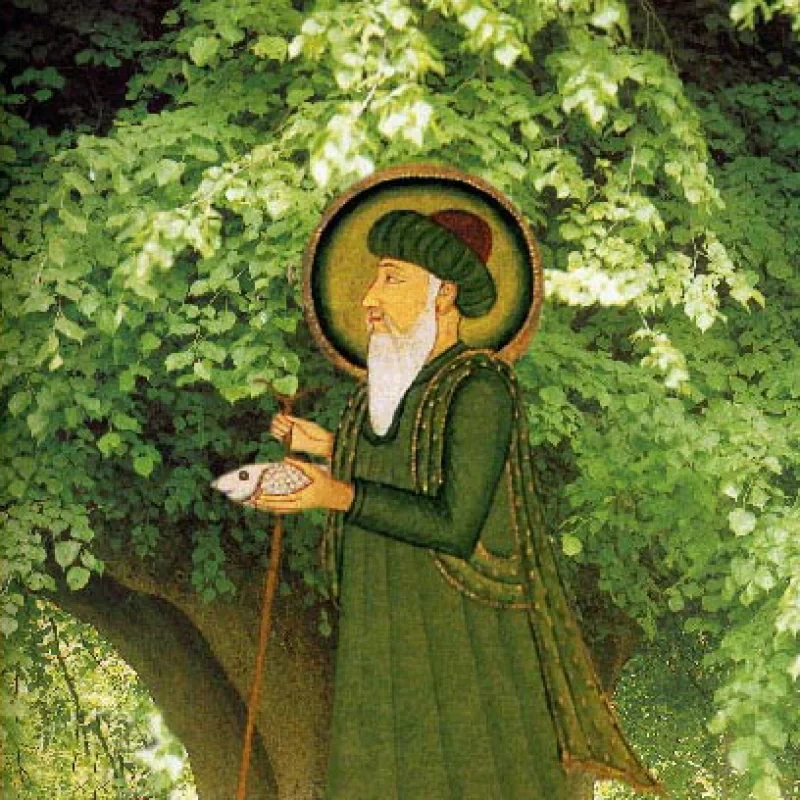
Myths are the building blocks of the collective unconscious. Just as dreams communicate the archetypal guidance to the individuals, myths communicate these archetypes to the culture and communities. Myths are the dreams of cultures. Myths have a unique cultural flavor and a cross cultural resonance. Generally, the “Hero Myths” may symbolize the ego complex, the “Mother Myths” may symbolize the return to the unconscious and the “Child Myths” may symbolize emerging Self and the “Creation Myths” may symbolize the process of the creation of new consciousness, restoration, renewal, and transformation. We will explore the structure and the Alchemic Hermeneutic method to analyze the myths. We will explore the myth of Goethe’s Faustian Bargain and the Sufi myth of the Rebirth mystery embedded in the 18th Surah of Quran from a Jungian lens as these guide us in the therapeutic vessel and the larger cultural theater. Join me in exploration of the timeless wisdom of our depths.
Schedule
8:30-9 AM, CST – Check in on site or via zoom link.
9 AM -10:30 AM, CST – Structure and Analysis of Myths
10:45 AM -12:15 PM, CST – Alchemic Hermeneutics
12:15 PM – 1:15 PM, CST – Lunch Break and network with your peers
1:15 PM – 2: 45 PM, CST – Goethe’s Faust – Ashok Bedi
3 PM-4:30 PM, CST – 18th Sura of Quran- A Sufi Perspective
Learning Objectives
After attending this course, attendees will be able to:
Suggested Reading List
Supplemental Reading List for a Deeper Dive
Presenter
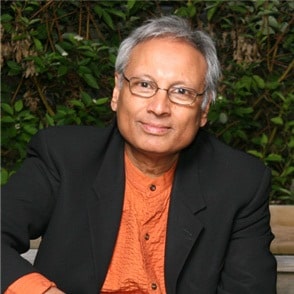
 Ashok Bedi, M.D. is a Jungian psychoanalyst and a board-certified psychiatrist. He is a member of the Royal College of psychiatrists of Great Britain, a diplomat in Psychological Medicine at the Royal College of Physicians and Surgeons of England, a Distinguished Life Fellow of the American Psychiatric Association. He is a Clinical Professor in Psychiatry at the Medical College of Wisconsin in Milwaukee and a training analyst at the Carl G. Jung Institute of Chicago. His books include In the Eye of the Storm- Staying Centered in Personal and Collective Crisis, The Spiritual Paradox of Addiction, Crossing the Healing Zone, Awaken the Slumbering Goddess: The Latent Code of the Hindu Goddess Archetypes, Retire Your Family Karma: Decode Your Family Pattern and Find Your Soul Path and Path to the Soul. He is the liaison for the IAAP for developing Jungian training programs in India and travels annually to India to teach, train the consult with the Jungian Developing groups at several centers in India including Ahmedabad and Mumbai. He leads the annual “A Jungian Encounter with the Soul of India” study group to several centers in India under the auspices of the New York Jung Foundation and the Carl Jung Institute of Chicago. His publications and upcoming programs may be previewed at pathtothesoul.com