
Home › Public Programs › Live Courses & Events › Recovering the Dark Mother
In-Person Only
Brooke Laufer, PsyD
Fri, Oct 25, 2024 | 1-4pm
C G Jung Institute of Chicago – 53 W Jackson Blvd Ste 438, Chicago, IL
3 CEs Available
This program will not be recorded
SOLD OUT
$40.00 – $75.00Price range: $40.00 through $75.00
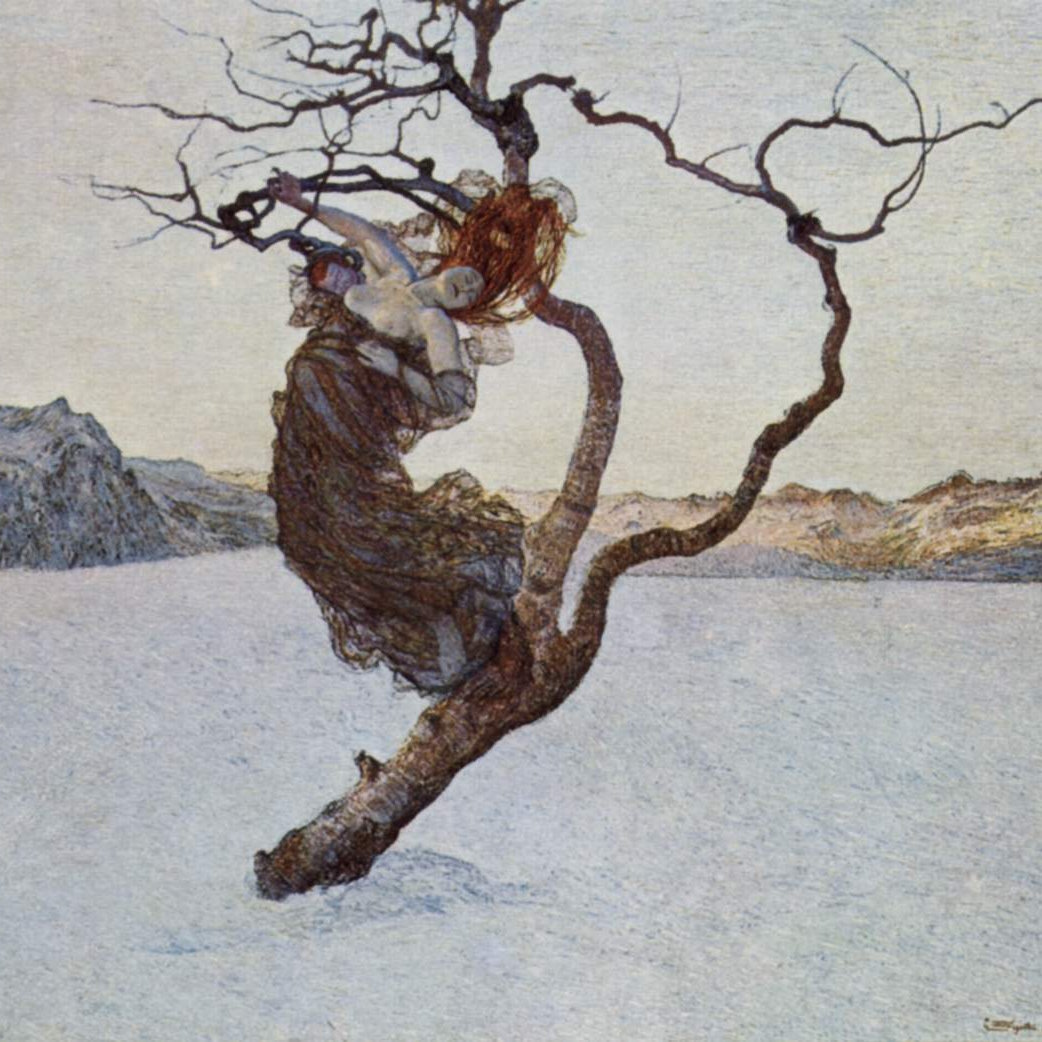
Acknowledging the presence of the Dark Mother archetype is a powerful step towards healing collective wounds and restoring balance. The Dark mother is not only deadly for children but for all individuals who have devalued the feminine within. Embracing the aspects of the feminine that have been historically repressed can lead to personal and societal transformation, fostering a deeper connection to nurturing and compassionate energies within ourselves and in our communities.
This course will begin by examining the archetype of Mother – as Jung acknowledged, the symbolic source of life and the primordial unconscious. The Great Mother appears under an almost infinite variety of guises, from the Hindu Mother goddess Durga who as protection and strength slew the demon king Mahishasura to Demeter and Persephone, Greek goddesses of fecundity and the birth–death cycles of nature. This Great Mother symbolizes the full range of mothering, from plentiful harvests to plagues of locusts.
Over the course of the evolution of Western culture the Great Mother has been split into two images – the Good and Bad Mother. Largely embedded in Christian mythology, which remains the fabric of the Western paradigm, the Good Mother is encapsulated by the Virgin Mary. The good and pious mother offers protection, devotion, sympathy, sacrifice and love, as she inhabits the home, the Church, and the Heavens. Yet, when Mother is confined to only these associations her sexuality, passion, selfishness and aggression are dissociated. These split off qualities are relegated to the shadow and emerge as the Bad Mother. Jungian scholar Louise-Marie von Franz coined the term Death Mother to refer to the shadow expression in fairy tales of the archetypal feminine portrayed as a possessively devouring mother, literally and intra-psychically.
Currently and clinically we see the Death Mother lived out in a mother who might consciously or unconsciously want her children dead; in a less extreme form, she feels ambivalent or indifferent about their existence and wants a part of them dead. There are several ways shadow maternal complexes manifest, such as the vampire mother, the depressed/addicted mother, the puella aeterna mother, the Aphrodite mother, the Munchausan by proxy mother, the devouring mother, and the Too Good mother.
This course will help bring a compassionate understanding to the Death Mother, in the hopes that making her conscious will recover the dark feminine so that it can take its equal place on the metaphoric stage instead of being split off, suppressed, festering and waiting to act out.
We will delve into the dark mother archetype, as especially noted by Neumann, Von Franz, and Woodman among others. An analysis of the evil and split-off side of the Great Mother with use of archetypal images such as the Whore of Babylon, Lilith, Medea, Medusa, and the evil witch, will help the death mother’s affect come alive. We will then explore her contemporaneous social and clinical appearances, such as in maternal shadow complexes, which many have experienced in their own lives. We will discuss how bringing attention to the Death Mother archetype may transmute aspects of the shadow for women and mothers, such that burning rage can become heated passion and creativity, thus womanhood and motherhood are saved from fatalities. Finally, contemplation of the dark feminine through figures like Kali, Erzulie Dantò, and the Black Madonna highlights the necessary destructive, creative, and sexual powers required for the wholeness of individuals. The gift of the Death Mother archetype, who shatters the illusion that there is only an all-good or all-bad mother or self, brings us to the heart of the paradox of life itself and helps us birth the bliss of nondual acceptance, which is the Mother’s archetypal essence and her gift of freedom to anyone brave enough to consent to being torn apart by her.
Learning Objectives
This course is intended to enable you to:
Readings & Reference Material
Instructor Bio

Brooke Laufer is a Clinical Psychologist in Evanston who practices analytic and Jungian psychotherapy in private practice and also trains and supervises new therapists. After the birth of her first child Brooke had a disturbing Postpartum experience, which inspired her to begin researching, understanding, and specializing in the treatment of perinatal mental illness. She now focuses on postpartum psychosis, running groups for survivors of postpartum psychosis, doing research, writing articles, and speaking on this topic. In addition, Brooke works as an expert witness for women who have committed a crime during a postpartum episode, namely filicide. She is the author of Uncovering the Act of Maternal Infanticide from a Psychological, Political, and Jungian Perspective, published by Routledge. drbrookelaufer.com
This search engine will search our public programs, the Jung Chicago Radio and Blog, and our store.
To search only the store, visit our Store page.
If you’re looking for a Jungian Analyst, use our Find an Analyst search engine or browse the Chicago Society of Jungian Analysts page.
This program will be recorded and distributed by the C. G. Jung Institute of Chicago for educational and historical purposes. By registering for this program, you consent to appear as an audience member on a recording that will be distributed by the C. G. Jung Institute of Chicago. Without expectation of compensation or other remuneration, now or in the future, you give your consent to the C. G. Jung Institute of Chicago, its affiliates, and agents to use your image and likeness and/or any interview statements from you in its publications, advertising, or other media activities (including the Internet).