
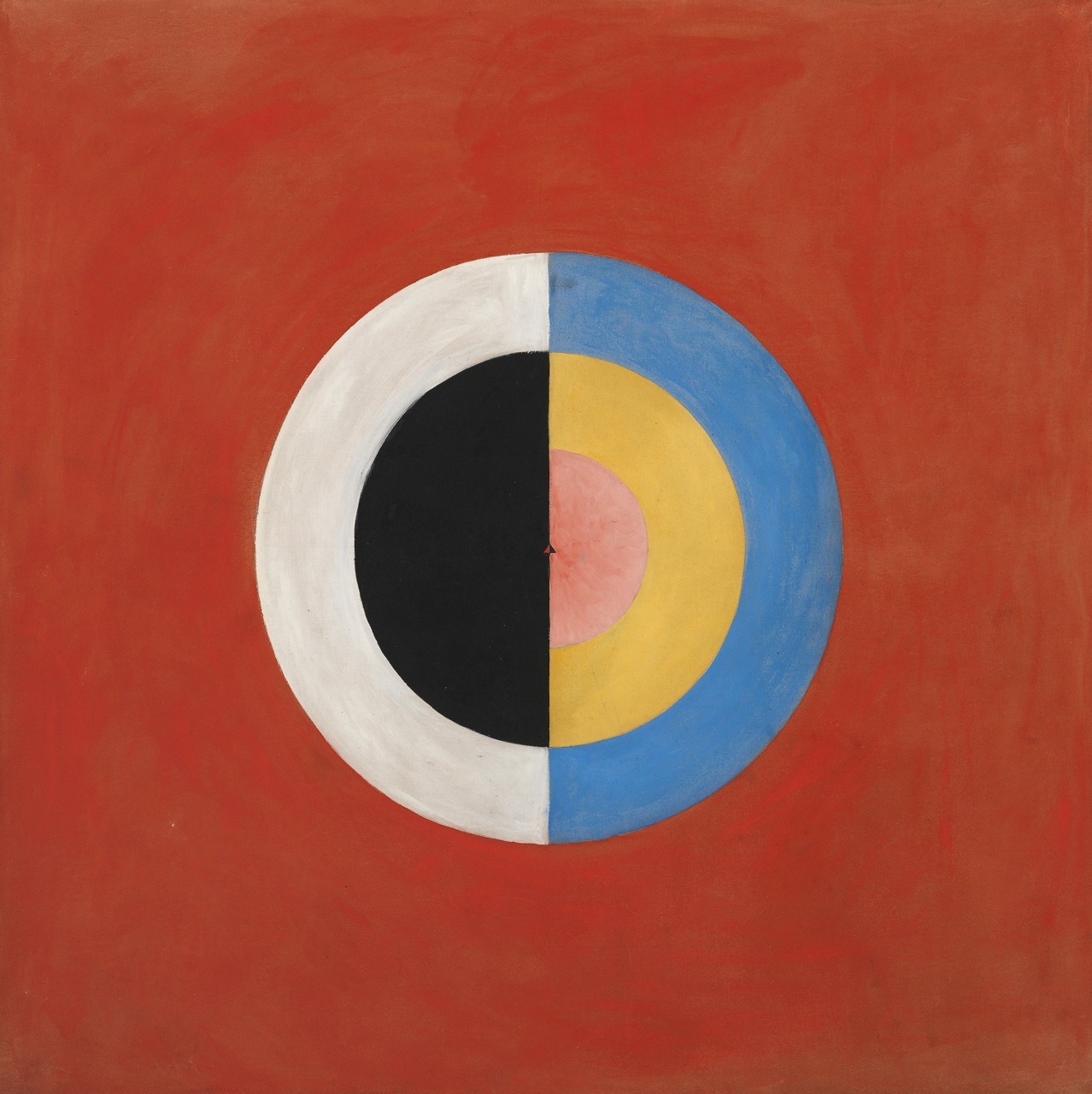
During these times of social and political upheaval, the cultural unconscious is bursting forth in the form of cultural complexes through a multitude of chronic political and societal conflicts. Understanding and recognizing the phantom narratives of our collective legacies and intergenerational trauma offers us an opportunity to develop greater levels of awareness and discernment to meet this historical moment with clarity.
In this seminar, keynote speaker Jacqueline Gerson, author of Fairy Tales with a Mexican Twist, is joined by Vlado Šolc and Gustavo Beck. Together, they will explore how Jungian thought addresses the challenges we currently face and sheds light on approaches for holding the tension of opposites. Participants in this seminar will have opportunities to contribute to general dialogue and small-group discussion.
Questions for group consideration include: In what ways might we be implicated in what we feel and see in contemporary life? What are the clinical implications of our psycho-political landscape, and how do we work analytically with these processes individually and in our thinking about the role of our institutes?
Please consider joining us for this important community event, where we will attempt to move beyond duality through self-reflection and dialogue.
This community event is open to all individuals interested in the work of C.G. Jung, including non-clinicians. In keeping with our mission, we welcome diverse communities and remain focused on fostering personal transformation and social renewal in our city and beyond.
Presentations
Quetzalcóatl, Jung, and Multiculturalism
Jacqueline Gerson, Jungian Analyst
This work reflects on Quetzalcóatl as a living symbol through which Mesoamerican cultures gave form and orientation to life. Rather than approaching Quetzalcóatl only as a historical or mythological figure, the text understands him as an archetypal image that expresses the relationship between the sacred, emerging consciousness, and collective life. From a Jungian perspective, Quetzalcóatl represents a bridge—between earth and sky, instinct and reflection, nature and culture.
This presentation is designed to help you:
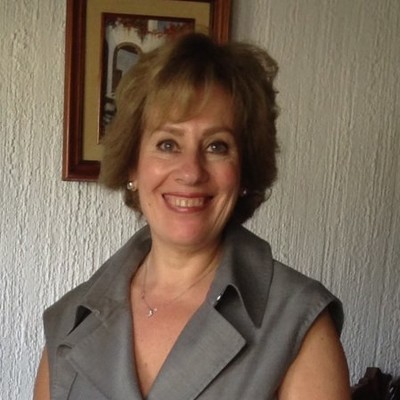 Jacqueline Gerson is a Jungian analyst with a private practice in Mexico City, where she works as an analyst, teacher, and supervisor. With a lifelong passion for dance and movement, she first approached dreams as spontaneous choreographies created by the psyche. Eventually, that discovery led her to the study of Analytical Psychology to become an individual member of the IAAP. She lectures on topics related to analytical psychology and has been published in The San Francisco Jung Institute Library Journal, with Daimon Verlag, Brunner-Routledge, Spring Journal, as well as the Mexican magazine Epoca. As a new way for her to relate to most sensitive aspects in life, writing stories became apparent. Her special joys are grandmothering, dance movement, writing, poetry, and nature.
From Illusion to Conscious Suffering: A Jungian View of Politics, Inflation, and Redemption
Vlado Šolc, LCPC, CSAC, ICS, Jungian Analyst
This lecture explores contemporary QAnon conspiracy theory not as purely irrational beliefs, but as symbolic expressions of deeper psychological and cultural dynamics. In an era of polarization and political extremism, narcissistic split increasingly shapes both individual and collective life, leading to grandiosity, denial of vulnerability, and distorted perceptions of reality. By viewing conspiratorial narratives through a Jungian lens, we can better understand their mythic unconscious structures. Rather than dismissing them, a symbolic approach helps reveal the unconscious complexes at work and offers pathways toward dialogue, integration, and greater psychological awareness in divided communities.
This presentation is designed to help you:
Describe how the narcissistic split shapes both individual and collective psychology, contributing to polarization and distorted perceptions of reality.
Explain the psychological dynamics of the conspiratorial mindset from a Jungian perspective as a symbolic manifestation of unconscious processes.
Apply a symbolic framework to conspiratorial thinking in order to understand how reducing projections support greater dialogue and integration in divided communities.
 Vlado Šolc, LCPC, CSAC, ICS is a Diplomate Jungian Analyst practicing in Wisconsin and Illinois. He is an analyst, consultant, educator, and co-director of the Jungian Psychotherapy and Studies Program at the C.G. Jung Institute of Chicago. Vlado lives in constant awe of the miracle of existence. His clinical focus includes psycho-spiritual crises (loss of meaning and direction in life), the mind-body connection (psychosomatic issues), immigration and cultural adaptation among others. His research includes narcissism, collective psychology, religious fundamentalism, illusion, and transformation among others. He has presented at conferences across North America, Asia, and Europe and has authored numerous peer-reviewed articles and seven books in the area of depth psychology. He is co-author of Dark Religion: Fundamentalism From The Perspective of Jungian Psychology. Learn more at therapyvlado.com.
Who Speaks, Who Listens: Attending to Haunting Voices in Psyche and Culture
Gustavo Beck, PhD, Jungian Analyst
This presentation explores contemporary cultural tensions through the Jungian notions of cultural complexes and phantom narratives, using the image of voice as its central organizing metaphor. It asks who is able to speak and be heard, which voices are silenced or disavowed, and how inner, ancestral, and collective voices shape both personal identity and social conflict. Drawing on personal experience, clinical vignettes, and literary references, the presentation traces how unspoken histories and unresolved tensions continue to speak through individuals and cultures alike. Rather than resolving these voices into a single narrative, the intention is to remain with their multiplicity, exploring what it might mean to listen psychologically within fractured cultural landscapes.
This presentation is designed to help you:
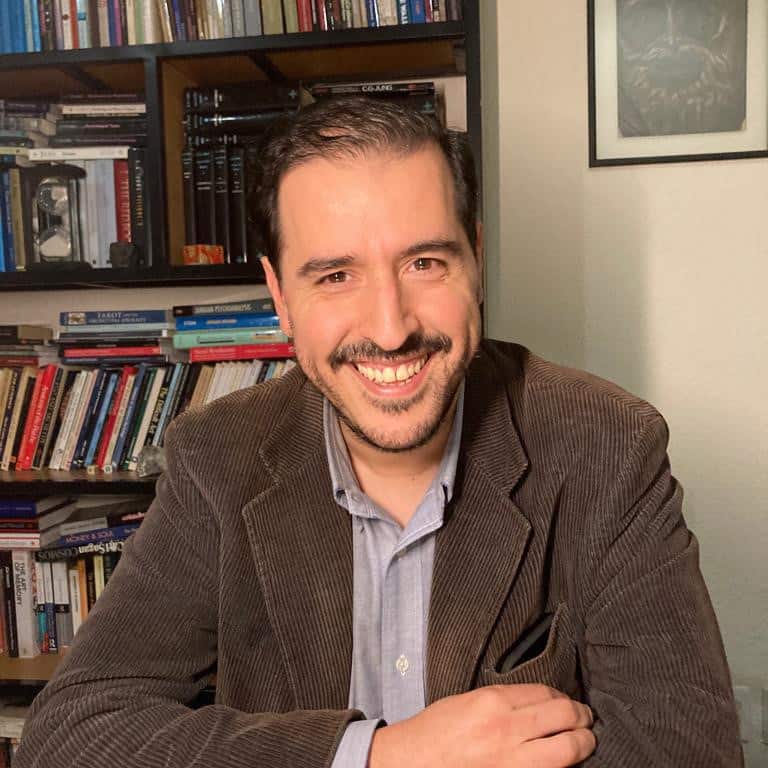 Gustavo Beck, PhD is a Jungian Analyst and psychotherapist with a practice in Mexico City, as well as a translator of books and essays on psychology and the humanities. He received his PhD in Mythological Studies from Pacifica Graduate Institute, in Santa Barbara, California. He is a diplomate Jungian Analyst trained at the C. G. Jung Institute of Chicago. He has published several essays on the work of James Hillman and the archetypal school of thought. He trained in depth archetypal psychology at the Instituto de Psicologia Profunda en Mexico (Institute for Depth Psychology in Mexico), where he eventually taught and served as clinical supervisor. He also taught in the Psychology department in Universidad Iberoamericana, Mexico City. His interests revolve mainly around Jungian and post-Jungian thought and archetypal theory, particularly regarding their relationship with contemporary social, cultural, and environmental issues.
Moderator
 Patricia Martin, MFA, is the host of Jung in the World podcast and a noted cultural critic. She applies Jungian theory to her work as a researcher and writer. Author of four books, her work has been featured in the New York Times, Harvard Business Review, Huffington Post, and Psyche Magazine. She holds an MFA in writing and literature from Bennington College and an MA in cultural studies at the University College, Dublin (first honors). She is a graduate of the Jungian Studies Program at the C. G. Jung Institute Chicago where she is a professional affiliate and teaches workshops. A scholar in residence at the Chicago Public Library, for the last decade she’s been studying the digital culture and its impact on the individuation process for her new book, Will the Future Like You?: Reflections on the Age of Hyper-Reinvention, Karnac Books, 2026. For more information visit patricia-martin.com.