
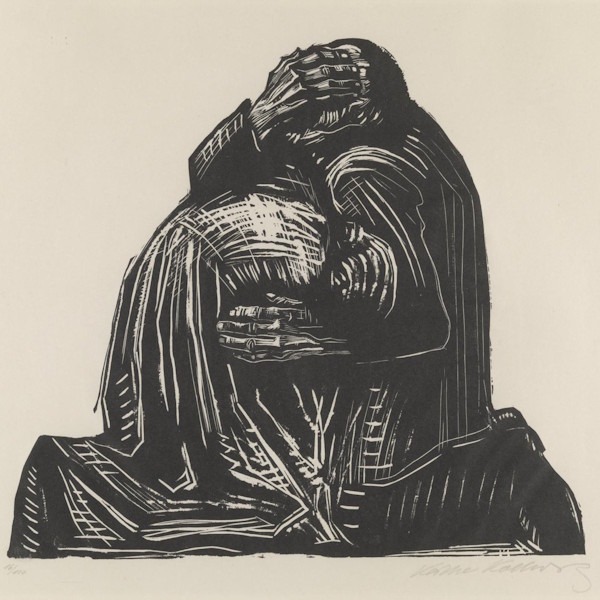
Many are struggling to make sense of today’s political climate. The events unfolding in the U.S. feel overwhelming—bigger, more intense, and more alarming than anything we’ve lived through. But what if this moment isn’t unprecedented? What if today’s turmoil is not an isolated crisis, but part of a recurring pattern woven throughout U.S. history?
For anyone interested in understanding the sociopolitical climate, this program offers an accessible framework for exploring how history, psychology, and collective trauma shape these times. Instead of viewing current events as isolated, we’ll consider how they fit into longstanding patterns in the American story that reflect deeper emotional and psychological dynamics within our national psyche.
Donald Kalsched’s trauma theory and concept of the archetypal self-care system is used to examine how early responses to overwhelming experiences appear in the collective in response to stress, change, conflict, and uncertainty. Recognizing this self-care system helps us better understand polarization, rising anxiety, and recurring national tensions—and potentially anticipate how future cultural shifts may unfold.
Through presentation, discussion, and reflective exercises, we will explore the threads of collective trauma defenses and pathways toward healing. Together we’ll consider how imagination, relationship, honest dialogue, and the acknowledgment of painful history might soften defensive patterns and open space for collective growth.
Learning Objectives
This course is intended to help you:
Instructor
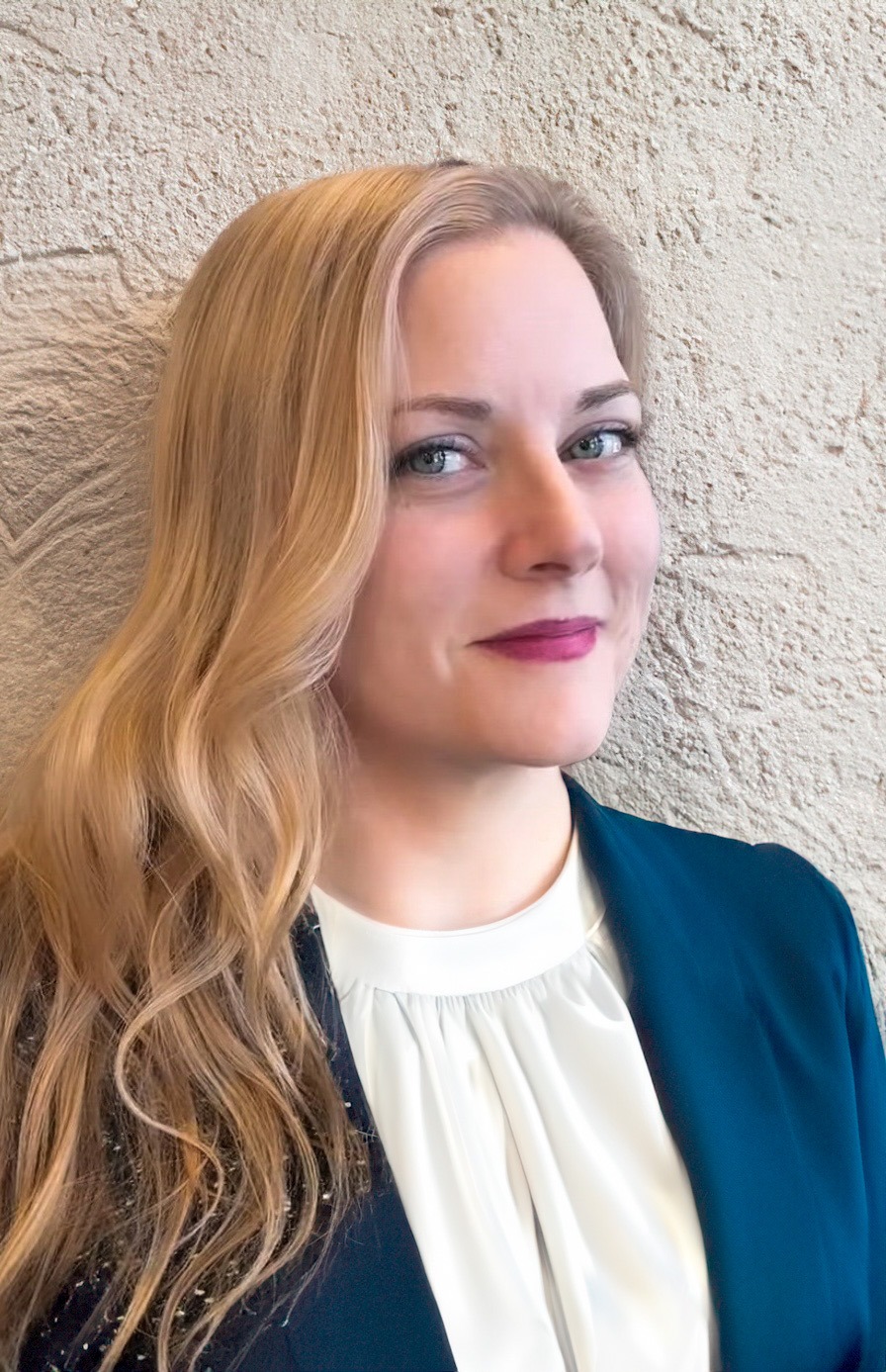 Andrea Gaspar, PsyD, is a clinical psychologist practicing in the Chicagoland area with a focus on the treatment of trauma and sexual abuse utilizing Jungian and somatic approaches. She was a Fellow of the Jungian Psychotherapy Program (2018–2020) and graduate of the Jungian Studies Program (2014–2016) at the C G Jung Institute of Chicago and has served as the program’s Co-Director since 2021. Dr. Gaspar also co-developed and co-directed the six-month training program Memories, Dreams, Reflections: Exploring the Depths with colleagues Adina Davidson and Daniel Ross. Her current research is focused on collective psyche, cultural complex, and the application of trauma theory to the sociopolitical climate and she has lectured on psychodynamic theory, trauma, and culture.