
Home › Past Programs › Past Live Courses & Events › Clinical Practice in the Light of the Red Book
In-Person Only
George Bright, MA, MSc, Dip Theol
May 22, 2026 | 1:30-4:30pm
Union League Club Chicago Tudor Room, 65 W Jackson Blvd (Map | Dress Code)
3 CEs Available
This event will be recorded and available for sale at a later date.
$40.00 – $75.00Price range: $40.00 through $75.00
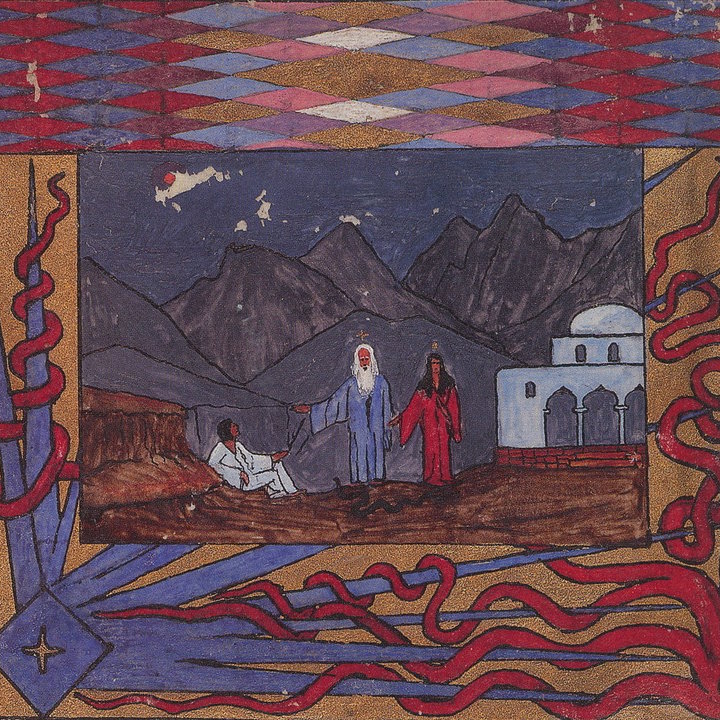
Jung’s Liber Novus is the record of his visionary experiences 1913 – 1916 from which he subsequently derived his science of analytical psychology, his understanding of man’s place in the becoming of the Cosmos and his unique approach to the practice of psychotherapy. As he wrote in 1916: “Analytical treatment, rightly understood, is never an isolated process, a psychological bottle of medicine, or spa treatment, but a new adjustment to the conditions of life, and accordingly is thoroughly all-round, penetrating every sphere of life.”
In this presentation I will show how a close reading of Liber Novus: The Red Book can be used as a helpful and authoritative way of orientating ourselves in working with our patients, informing the psychotherapist about what we do and why we do it.
I will draw on my experience of studying and teaching Liber Novus to suggest how this has changed the way in which I practice as an analyst. I aim to show how Jung’s presentation in Liber Novus can clarify our understanding of his new terminology (archetype, collective unconscious, symbol, Self, individuation process and transcendent function). With this clarification in place, I will then introduce passages of the Liber Novus text to show how we can use them to orientate ourselves in working with our patients.
Learning Objectives
This course is intended to help you:
Instructor
George Bright was educated at Cambridge University and The London School of Economics. He is a Training & Supervising Analyst of the Society of Analytical Psychology and a co-founder of The Circle of Analytical Psychology, a London-based group engaged in the study of Jung’s Liber Novus and Black Books. He works in private practice in London. His 1997 paper Synchronicity as a basis of analytic attitude won the Michael Fordham Prize.
This search engine will search our public programs, the Jung Chicago Radio and Blog, and our store.
To search only the store, visit our Store page.
If you’re looking for a Jungian Analyst, use our Find an Analyst search engine or browse the Chicago Society of Jungian Analysts page.
This program will be recorded and distributed by the C. G. Jung Institute of Chicago for educational and historical purposes. By registering for this program, you consent to appear as an audience member on a recording that will be distributed by the C. G. Jung Institute of Chicago. Without expectation of compensation or other remuneration, now or in the future, you give your consent to the C. G. Jung Institute of Chicago, its affiliates, and agents to use your image and likeness and/or any interview statements from you in its publications, advertising, or other media activities (including the Internet).