“The Jung-Hisamatsu Dialogue: A Closer Look and Commentary” by Chicago Society of Jungian Analysts member Warren Sibilla has been published in Jung Journal: Culture and Psyche. It is currently free to read.
“Dreaming Mount Everest: An Experience of the Creative Psyche” by Chicago Society of Jungian Analysts member Warren Sibilla has been published in Jung Journal: Culture &Psyche.
Abstract
Long-distance athletic endurance events provide a forum for experiencing the limits of the human condition and, thus, an invitation toward what otherwise appears unattainable; a forum for an emptying of oneself in physical and emotional exertion whereby a space is then opened for an experience of the luminous; and, finally, a space is created that reveals a meaning and purpose that otherwise was not apparent. This paper offers a first-hand, applied, and human example of the embodiment of the creative psyche by demonstrating the experience of Jung’s notions of archetype and symbol, the mythopoeic psyche, synchronicity, and the transcendent function. The paper does so by describing the training for and participation in Everesting-29029, a thirty-six-hour endurance event in which participants ascend a mountain enough times to equal 29,029 vertical feet—the equivalent of climbing Mount Everest. Because of the size of the mountain, the length of the event, and the extreme weather conditions possible at that altitude, the event becomes one of tremendous proportion made even more so since a large share of the climbing is done absent the light of day, inviting a rich play of the imagination.
In this episode, Patricia Martin interviews Warren W. Sibilla, Jr, Jungian Psychoanalyst and the new Director of Training for the C. G. Jung Institute of Chicago’s Analyst Training Program. How does someone know they are ready for training? What is the process of development in training like? What does Jungian analysis and study bring to someone’s life and practice?
Dr. Sibilla is an athlete who competes in endurance sports like the Ironman and Spartan Obstacle Race. How has this discipline manifested in Dr. Sibilla’s own analytic practice? Does that lead to a particular framing about the practice of psychology and analysis? In this discussion they touch on:
The Symbol The Unconscious The Self Individuation The Shadow Discipline Analytic Training
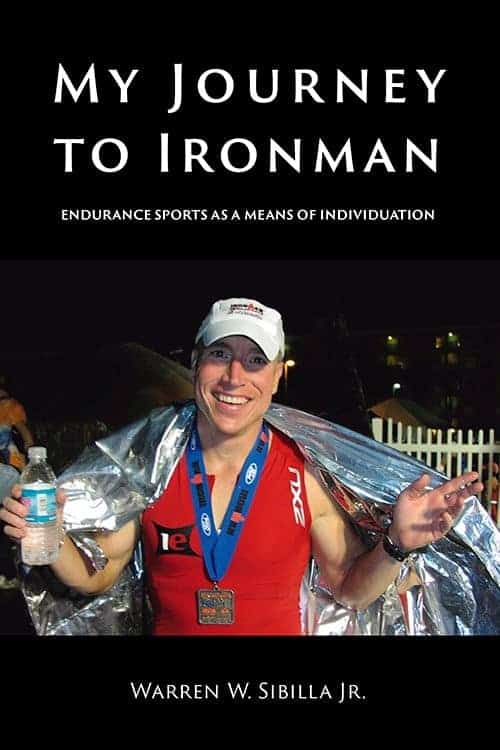
In his early forties, Warren Sibilla is a successful professional with a close and loving family life. After setting challenging professional goals for himself, things start to go awry. His hard work and sincere efforts are met with criticisms that leave him feeling misunderstood and that threaten his sense of belonging. His dreams suggest that he make the difficult decision to postpone a path to professional advancement and focus on his physical health. Warren takes us with him as he begins to exercise, then to train for marathons, eventually participating successfully in an Ironman event. We accompany him as he learns to trust his dream life and his instincts–and to learn from others who guide him. Warren Sibilla tells his story with simplicity and immediacy, not as a triumph only but as a deep and humbling experience. This book is different from other stories of courage and athletic accomplishment because he does not present himself as a hero but as a man without special talent in sports who grows into being himself through facing a daunting physical challenge. This book is deeply moving, as the reader can so easily identify with his situation and perhaps feel inspired to face exactly the challenges one never imagined possible.
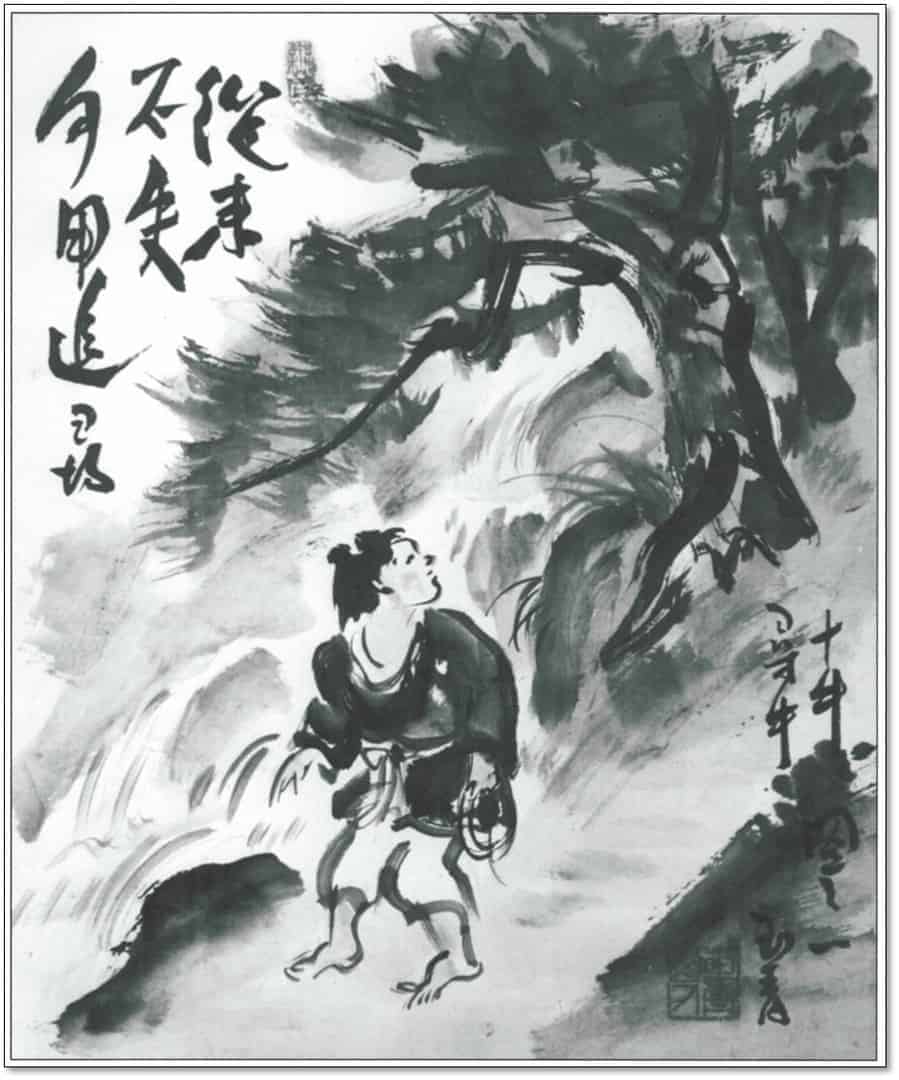
Warren W. Sibilla Jr., Ph.D. is a Clinical Psychologist and Diplomate Jungian Psychoanalyst who practices in South Bend, Indiana, USA. In addition to his private practice, Dr. Sibilla has served in various leadership roles at the C. G. Jung Institute in Chicago, including serving as the Co-Director for the Jungian Psychotherapy Program for eight years and now as the Director-Elect of the Analyst Training Program. He is currently writing a book on the relationship between Zen Buddhism and Analytical Psychology using the Ox Herding Pictures from 10th century China. Finally, he is most proud to say that he is a foster parent for rescued dogs in the community.
Using examples from Zen Buddhism, Warren Sibilla discusses Jung’s idea that the subjective and objective have a complementary relationship, and that this relationship is necessary in clinical practice – objective knowledge alone is not enough.
Warren Sibilla, Jr, PhD is a Diplomate Jungian Psychoanalyst with a clinical practice in Chicago, IL and South Bend, IN. Dr. Sibilla served as the Director of the Jungian Psychotherapy/Studies Program (2010 – 2016) at the Institute and teaches in our Analyst Training Program. He is engaged in the study and practice of Zen Buddhism including authoring a book on the relationship between Zen Buddhism and Analytical Psychology as well as a paper formally exploring Jung’s 1958 dialogue with Japanese Zen Master and Philosopher Hisamatsu. Dr. Sibilla teaches in the Masters and Doctoral programs at The Chicago School of Professional Psychology and The Institute for Clinical Social Work and facilitates silent contemplative retreats at GilChrist Retreat Center in Michigan. More information about Dr. Sibilla is available on his website, wsibilla.com.
PowerPoint: The slides for this talk are available HERE (right-click and click “Save Link As…” to download)
Our Blog shares essays, articles, video, audio, and other resources by members of the Chicago Society of Jungian Analysts and other groups that support the education and development of our community.
The views and opinions expressed in the podcasts and blog posts are those of the respected speakers or authors and do not necessarily represent the views of the C. G. Jung Institute of Chicago.