

Therapists and analysts, regardless of their training and orientation, continually seek generative ways to address the intense and often long-standing strife endemic to couples therapy. They know that working with couples places tremendous demands on their knowledge, their skill, and their own complicated feelings about the mysteries of relationship.
Tending the Cauldron: An Introduction to Jungian Couples Therapy is presentation that offers participants fresh ways of thinking about what happens in the consulting room. The course re-imagines the room as a temenos guiding partners toward psychological wholeness, or what Jung termed the Self. The course’s central premise—emotionally-committed relationships are difficult, profound, meaningful, and full of soul—means that couples who bravely begin therapy and the therapists who guide them are working on behalf of soul regardless of the outcome.
This unique presentation teaches key concepts in Jung’s psychology as it applies to therapeutic couples work, offering participants more nuanced ways of working with the complex energies that arise between suffering partners. Participants will reimagine the couple’s plight—as well as their personal experience of relationship—as an unfolding creative process and a mystery to be lived.
Learning objectives
As a result of attending this course, participants will be able to:
Re-imagine the goals of couple therapy from behavior and cognitive modification to soul work.
Integrate core ideas of Jungian and archetypal theory with couples therapy.
Re-imagine couples relationships as the path of individuation, the realization of the Self, and the cultivation of soul.
Understand how complexes and archetypal patterns appear in couple’s suffering, and how to work with them.
Apply Jungian typology to understand elemental conflict between partners.
Re-imagine the deep processes of couples therapy as alchemical transformation.
Develop awareness of the unique personal, social, and cultural challenges of working with gender, sexual and relationally diverse couples.
Bring the therapist’s own soul into the work with couples to deepen and sustain their practice
Instructor
 Elizabeth Éowyn Nelson, PhD, faculty of Pacifica Graduate Institute since 2003, is an international speaker and teacher. She has published several papers in scholarly journals as well as book chapters on subjects including feminism, film, dream, somatics, technology, and research. Dr. Nelson’s books include Psyche’s Knife (Chiron, 2012), the third expanded edition of The Art of Inquiry (Spring Publications, 2017), coauthored with Joseph Coppin, and The Art of Jungian Couple Therapy, coauthored with Anthony Delmedico (Routledge, 2025). She has been a professional writer and editor for more than 40 years, coaching aspiring authors across a variety of genres and styles. elizabethnelson-phd.com
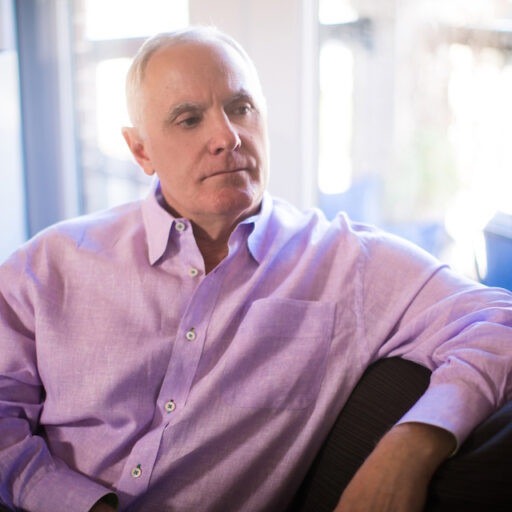 Anthony Delmedico is a depth psychotherapist and licensed marriage and family therapist working in private practice in Raleigh, North Carolina. He is also an AAMFT-approved supervisor. He has written and spoken about the trauma of sexual abuse, marriage, fatherhood, and divorce. He is the author of Tending the Wound of Sexual Abuse and the founder of First Haven, a non-profit organization providing psychological self-help resources to those who have experienced sexual abuse. In addition to the Art of Jungian Couples Therapy, in 2023, he and Elizabeth Nelson also co-authored “When Left Hands Touch: Shadow Vows and Jung’s Quaternity” which is available in the Journal of Analytical Psychology.