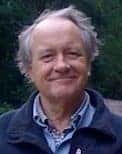
Donald Kalsched, PhDÂ is a Clinical Psychologist and Jungian Psychoanalyst in private practice in Albuquerque, New Mexico. He is a senior training analyst with the Inter-Regional Society of Jungian Analysts where he teaches and supervises. His 1996 book The Inner World of Trauma: Archetypal Defences of the Personal Spirit has found a wide readership in both psychoanalytic and Jungian circles and has been translated into many languages. Dr. Kalsched teaches and lectures nationally and internationally, pursuing his inter-disciplinary interest in early trauma and dissociation theory and its mytho-poetic manifestations in the mythic and religious iconography of many cultures.
This episode includes commentary by August Cwik, PsyD. Dr. Cwik is a clinical psychologist, hypnotherapist and senior diplomate Jungian Analyst in private practice in the Chicago area.
Just as earth is source, support, and home to humankind, so the mother’s body is source, support, and home of each infant. When the individual’s primal bond is scarred by basic faults, therapy often involves the female analysand’s falling through the painful wounds of the personal mother complex to meet the archetypal energies and images in deep therapeutic regression. This manifests initially through psychoidal phenomena, intense emotions, and the transferential dynamics of the therapeutic field. Sometimes expressed as shape-shifting images of the body/Self, which are similar to images of the goddess of nature revered since Neolithic times, the regression can enable reconnection to the healing feminine depths and the emergence of a more secure and authentic ego.
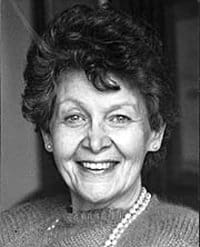
Sylvia Brinton Perera, MA, is a Jungian analyst who lives, practices, writes, and teaches in New York and Vermont. On the faculty and board of the Jung Institute of New York, she lectures and leads workshops internationally. Her publications include Descent to the Goddess: A Way of Initiation for Women; The Scapegoat Complex: Towards a Mythology of Shadow and Guilt; Dreams, A Portal to the Source (with E. Christopher Whitmont); Celtic Queen Maeve and Addiction: An Archetypal Perspective; and The Irish Bull God: Image of Multiform and Integral Masculinity.
This episode includes commentary by Peter Demuth, Psy.D., Jungian Analyst and member of the Chicago Society of Jungian Analysts in private practice in Evanston, IL. More information about Dr. Demuth can be found at demuthpsychologicalservices.com
This recording is the final segment of a series of lectures given by Lionel Corbett and includes a lengthy question and answer period. Themes include: The importance of the archetypes, primitive verses developed ego defenses, pre-egoic states, the storage of trauma in the body, and a discussion of the inner victim-perpetrator dyad which predates Kalsched’s work on the Self-care system. Recorded at the C.G. Jung Institute of Chicago in 1991.
Lionel Corbett, MD trained in medicine and psychiatry in England and as a Jungian analyst at the C.G. Jung Institute of Chicago. Dr. Corbett is a core faculty member at Pacifica Graduate Institute teaching depth psychology. He is the author of The Religious Function of the Psyche and Psyche and the Sacred: Spirituality Beyond Religion. He is co-editor, with Dennis Patrick Slattery, of Depth Psychology: Meditations in the Field and Psychology at the Threshold: Selected Papers.
This episode includes commentary by Peter Demuth, Psy.D., Jungian Analyst and member of the Chicago Society of Jungian Analysts in private practice in Evanston, IL. More information about Dr. Demuth can be found at demuthpsychologicalservices.com
Toronto analyst Marion Woodman explores the body/spirit relationship, the withdrawing of projection, gender issues, and the surrender of the ego to the Self as these themes relate to personal transformation.
Our Blog shares essays, articles, video, audio, and other resources by members of the Chicago Society of Jungian Analysts and other groups that support the education and development of our community.
The views and opinions expressed in the podcasts and blog posts are those of the respected speakers or authors and do not necessarily represent the views of the C. G. Jung Institute of Chicago.