University of Chicago Professor and online game designer Patrick Jagoda, PhD talks with Patricia Martin about ways that online games and new media apply Jungian theory to create emotional bonds with users.
Snow White is one of the most recognized fairy tale stories and characters but, as usual, not many people are familiar with the Grimm version. Part one centers around Archetypal Evil and how it taints those who come into contact with it.
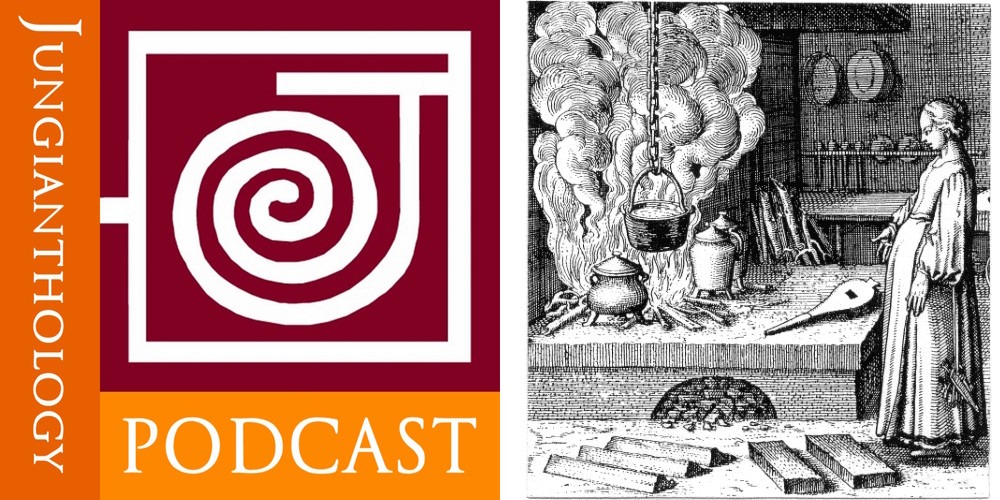
Fire as a feminine aspect is the central image of this workshop by Jungian analyst and author Jean Shinoda Bolen. Fire takes many forms in our imagination, dreams, metaphors, and in our life experiences. We think of hearth fire, campfire, creative fire, passionate fire, consuming fire, destructive fire, transforming fire, wildfire, Pentecostal fire, fire signs, fiery redheads, fire-breathing dragons and firewalks. We fight fire with fire and go through the fire; our fire is put out, rekindled, and dampened: we can be fired up, flare up, burnt up, and burned out. We tend the fire and keep the homefires burning. Fire as a feminine quality is about spirit, energy, and intensity, about warmth and illumination, about rage and outrage. Inner fire is reflected in our work, in our relationships, and in the activist and feminist stances we take in the world. Using poetry and a guided meditation, Dr. Bolen’s workshop helps the listener gain insights into herself and find her personal symbols.
Elizabeth Eowyn Nelson, PhD joins Patricia Martin for a lively conversation about the value of Jungian thought in our tech-centric times. Nelson is on the faculty at Pacifica Graduate Institute, where she is a scholar on dreams, technology, and cultural studies. In this episode, she brings a wealth of insight to our contemporary moment, exploring what it means to pursue personal growth in a digital culture.
This underrated fairy tale has a lot more to it than either of us would have guessed. We discuss fear of abandonment, resilience, and how they relate to a few current events as of the show’s recording.
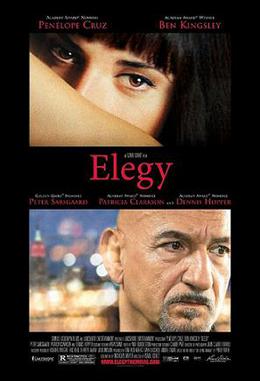
Jungian Analysts Judith Cooper and Daniel Ross discuss Elegy, the 2008 film directed by Isabel Coixet. Its screenplay is adapted by Nicholas Meyer from the 2001 novel The Dying Animal by Philip Roth. They discuss:
Rumpelstiltskin is a character the we love from the show Once Upon a Time, but the original story isn’t commonly consumed. We have split our analysis once more into two parts. This first one covers narcissism and persona while part 2 will focus solely on the Trickster archetype.
Renowned folklorist and Harvard scholar Maria Tatar joins host Patricia Martin to discuss her latest book, Heroine with 1,001 Faces. In this interview, Tatar unearths the forgotten legacy of the heroine’s quest, which parallels Joseph Campbell’s hero’s journey, and illuminates the social significance of the heroine as an archetype for our times.
One of the most popular fairy tales, Cinderella, especially as told by Grimm, contains two major themes. So, we’ve split our analysis into 2 parts. This second episode speaks of the dehumanizing power of envy.
One of the most popular fairy tales, Cinderella, especially as told by Grimm, contains two major themes. So, we’ve split our analysis into 2 parts. This first episode speaks of the healing power of grief, while next month we will discuss the role of envy.
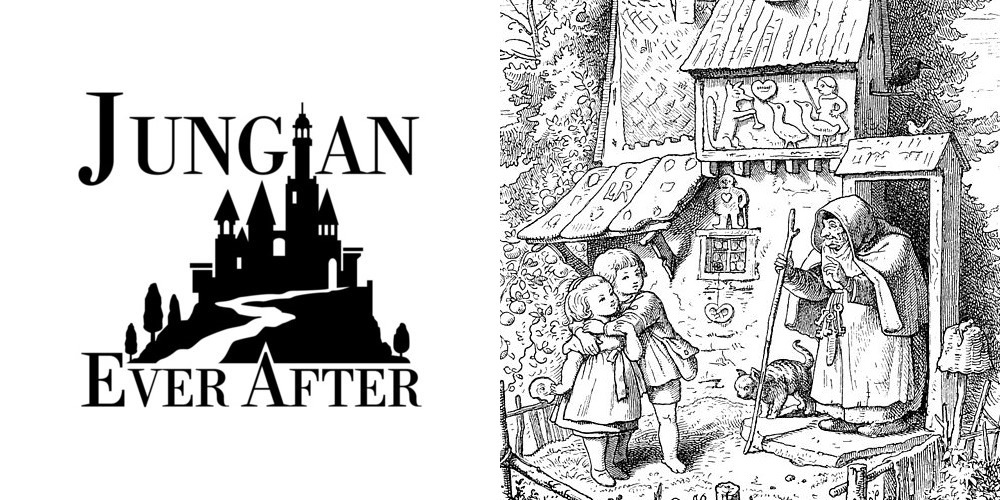
We begin our Grimm journey with the story of Rapunzel! A tale of irresponsible parents, a tower of isolation with no stairs or door, and the persecutor/protector that exists in all of us.
The story reading takes place from 9:22 to 18:18
We’ll be reading from Household Tales by Brothers Grimm
We are adding a new show to Jungianthology! Jungian Ever After is a new show co-hosted by Chicago Society of Jungian Analysts member Adina Davidson and Raisa Cabrera. It’s a podcast about fairy tales through the lens of Jungian analysis. Jungian Ever After will be shared on our feed alongside our other shows. They have 7 episodes so far, so it will take a little bit for our feed to catch up with theirs, but we will! If you want to listen to all of their published episodes right now, go to Apple Podcasts, Spotify, or search for “Jungian Ever After” in your favorite podcast app.
Allow us to introduce ourselves and why we’re making this show!
We’ll be reading from Household Tales by Brothers Grimm
Adina also recommends: The Complete Grimm’s Fairy Tales (Pantheon Fairy Tale And Folklore Library). If attempting to purchase this, be sure it says, “with Padraic Colum (intro) and Joseph Campbell (commentary) and James Scharl (illustr)”. Amazon considers all versions to be the same book, so you could accidentally buy a copy without those key elements.
Our Blog shares essays, articles, video, audio, and other resources by members of the Chicago Society of Jungian Analysts and other groups that support the education and development of our community.
The views and opinions expressed in the podcasts and blog posts are those of the respected speakers or authors and do not necessarily represent the views of the C. G. Jung Institute of Chicago.