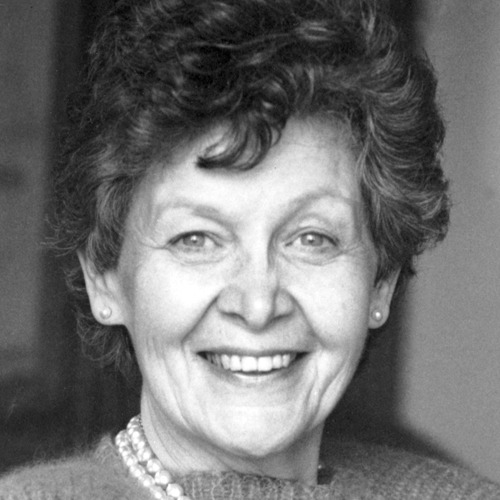
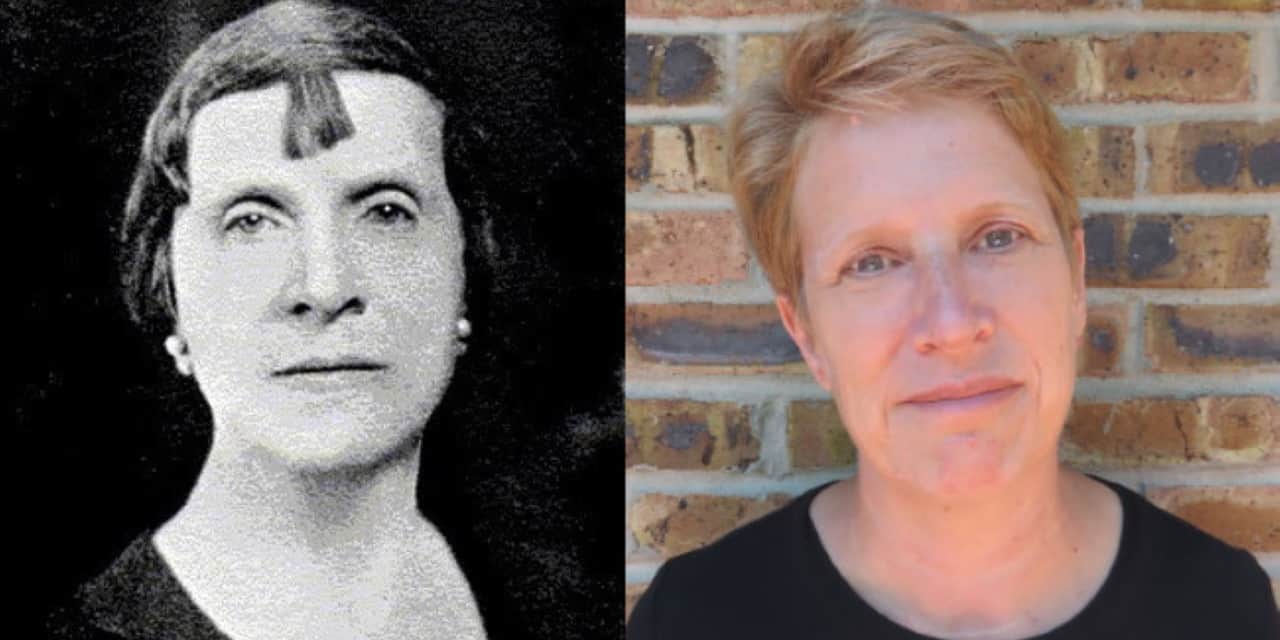
The author of the acclaimed introduction to the practice of Jungian psychology, Boundaries of the Soul, June Singer draws from personal and professional experience to discuss the importance of dreams, those gifts from the unconscious which profoundly imbue our conscious lives. This program provides an excellent introduction not only to Jung’s dream theory, but also its application in psychoanalysis—from one of the masters of the art. It was recorded on September 21, 1975.
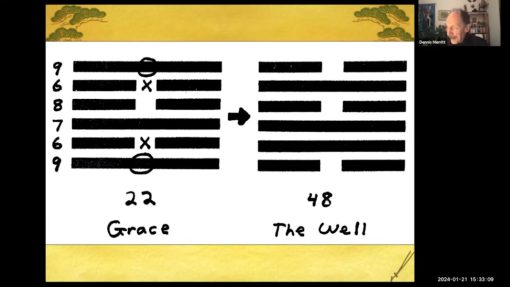
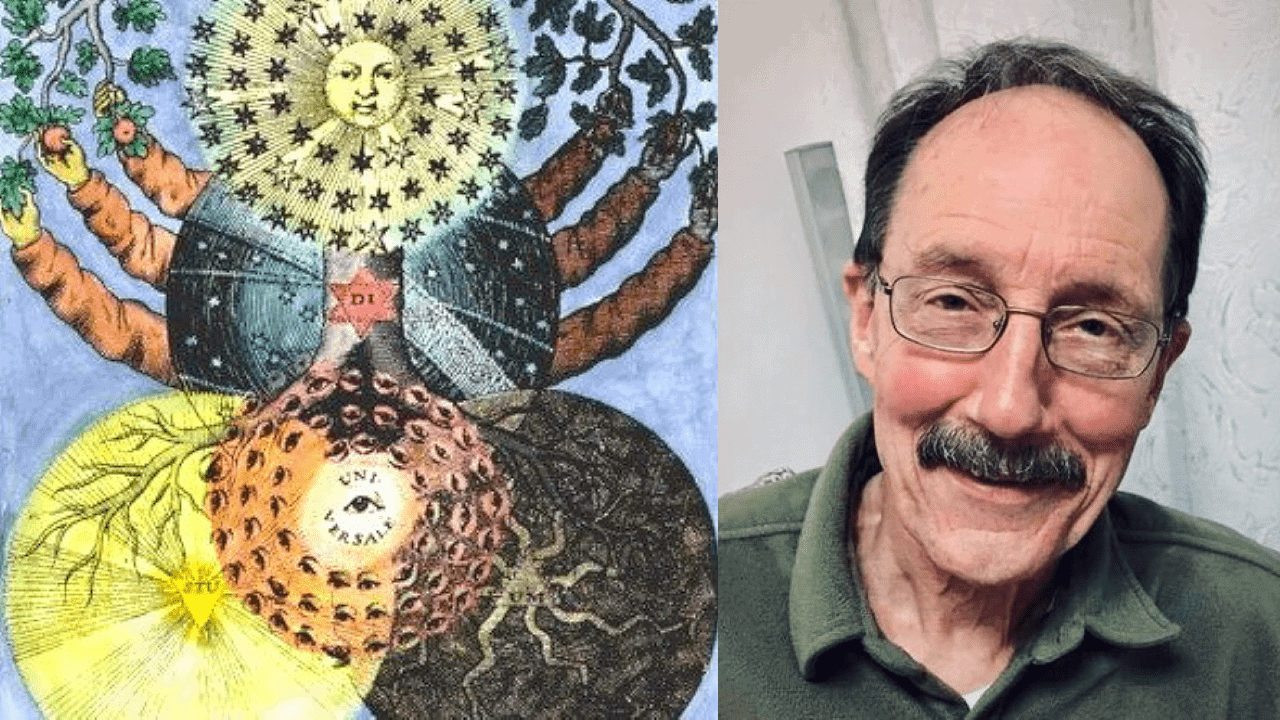
Dennis Merritt, Jungian analyst and member of the Chicago Society of Jungian Analysts, presents on hexagrams from the I Ching, a Chinese book of wisdom, that demonstrated synchronicity by the way they appeared in the dreams of a Western man in Jungian analysis. Discussion topics included using the I Ching in psychoanalysis and psychotherapy; a synchronicity experiment with the I Ching; shamanism, Native American spirituality and the origins of the I Ching; the archetype of the Trickster in conjunction with AI and Donald Trump; Pachamama, Earth spirituality and indigenous cultures; and Christianity contrasted with Chinese wisdom, Taoism and the yin/yang symbol.
The 3-hour event was sponsored by the C. G. Jung Club of Orange County [CA] on January 21, 2023. Please consider joining or donating to this organization that makes the presentations freely available.
Jean Shinoda Bolen leads a workshop which offers an appreciation of how myth, legend, poetry, and contemporary stories provide insights that are meaningful in ordinary life, with particular attention given to those times in a person’s life when major changes are occurring.
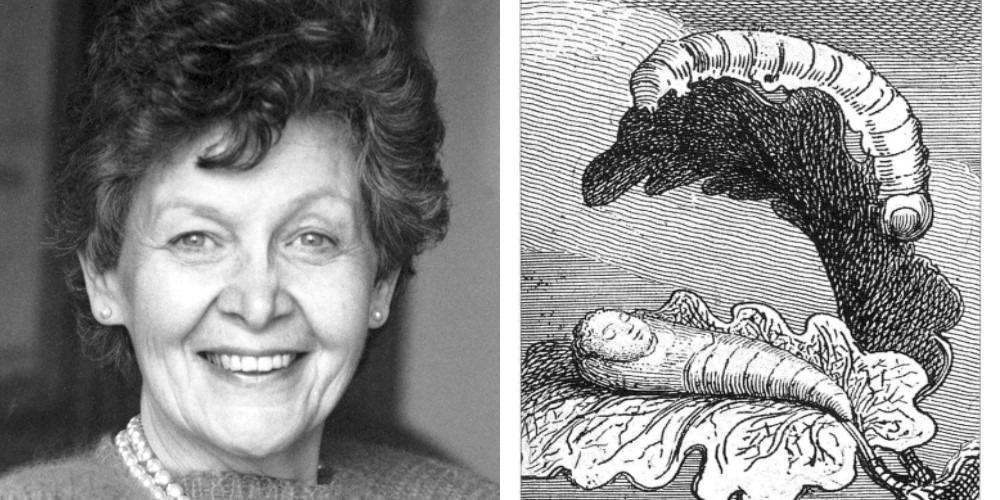
For the second episode of Marion Woodman Month, we’re rebroadcasting the very first episode of Jungianthology, Chrysalis: The Psychology of Transformation. In this lecture, Toronto analyst Marion Woodman explores the body/spirit relationship, the withdrawing of projection, gender issues, and the surrender of the ego to the Self as these themes relate to personal transformation.
The Warrior is the archetype of self-disciplined, aggressive action. If Warrior energy is not accessed properly, a man may find himself caught up in cruel or self-destructive behavior. The mature Warrior, however, will be energetic, decisive and persevering in reaching his goals. The course is divided into the following four topics:
• The Warrior in myth, folklore and religion • The Warrior’s role in masculine creativity and leadership • Psychopathology of the Warrior • Creating the “Rainbow Warrior”: resources for healing the Warrior
To celebrate International Women’s Day, we are sharing the seminar and panel discussion “Edith Rockefeller McCormick: Philanthropist, Intellectual, Analyst” in its entirety. The first hour is a presentation by Andrea Friederici Ross, author of Edith: The Rogue Rockefeller McCormick, followed by reflections by Kennon McKee, PhD, Jungian analyst and Victoria Drake, PhD, that opens up for general discussion.
Many believe we are in the Anthropocene Era, an era marked by the planet-wide influence of our species. The field of ecopsychology emerged in the early 1990s as a belated response from the psychological community to address the cascading effects of human-created environmental damage. Jungian ecopsychology offers one of the best frameworks for analyzing our dysfunctional relationship with the environment—and with each other—through an archetypal analysis of the layers of the collective unconscious. Jung was deeply connected with his native Swiss soil that was reflected in the ecological aspects of his conceptual system and his interest in alchemy as his main symbol system. Ecology begins with our relationship with “the little people” in our dreams and dreams can be used to help us connect deeply to the land using Hillman’s concept of Aphrodite as the Soul of the World. In 1940 Jung foretold a paradigm shift that he labeled a “new age” and “Aquarian Age”. The new paradigm will be based on ecological concepts and reflected in the economic system being developed by the sustainable economists. We must think in these terms as a species if there is any hope of averting a planetary nightmare.
On Thursday, October 21 at 5PM Pacific, we are particularly excited to be featuring Dr. Dyane Sherwood giving a presentation on the alchemical illuminated manuscript, the Splendor Solis. The illuminated manuscript of the Splendor Solis is one of the Treasures of the British Library, and in recent years has become widely known for the beauty of its 22 illuminated paintings. In her presentation, Dyane Sherwood will place the Splendor Solis in context, give the audience an overview, and then focus on some of the images in depth. We will discover the sophisticated consciousness behind three series of images that portray a process of depth transformation that moves from (1) a personal process, (2) to an appreciation of a relationship between archetypal, environmental, and inner states, and (3) finally to a profound acceptance of the nature of being. Dr. Sherwood will address two interrelated themes of the Splendor Solis that are more relevant today than ever before: the fact that humans can use Nature to work against Nature and the need for, in Jungian terms, redemption of the Feminine Principle.
Dyane Sherwood collaborated with the late Joseph L. Henderson, MD on a book relating the images of the Splendor Solis to the process of transformation in analysis. Dr. Henderson had his personal analysis with C.G. Jung and was the only American contributor to Jung’s remarkable book, Man and His Symbols. Dr. Sherwood is a Jungian psychoanalyst, sand-play therapist, and author. She founded the Analytical Psychology Press.
This workshop links Jung’s alchemical studies and his examination of the archetype of sacrifice to more recent research into the nature and dynamics of grandiose energies in the human psyche. In this program Robert Moore discusses how the decline of ritual containment of these energies in indigenous and traditional cultures has led to an epidemic of increased anxiety, addiction, and violent acting out.
First, Moore introduces the role of the archetype of sacrifice and related techniques of ritual practice in human strategies of coping with the pressures of archetypal energies. Second, he links the failure of these traditional means to our current epidemic of narcissistic acting out. Third, he summarizes the ways in which recent research supports Jung and Edinger on the necessity of the achievement of an ego-Self axis – a conscious and willed sacrificial attitude in the individuation process. Finally, Moore outlines the clinical implications: the ways in which we must be much more specific in our understanding of the structure and dynamics of the ego-Self axis in relation to the analytical task. He discusses the implications of this understanding of sacrifice for our conceptualization of a truly Jungian understanding of a psychoanalytic “cure” – the task of optimizing the analysand’s conscious regulation of archetypal energies. In short, Dr. Moore argues that Jungian Analysis should return to its roots in a manner which draws upon the best in recent interdisciplinary research to build upon Jung’s foundational discoveries.
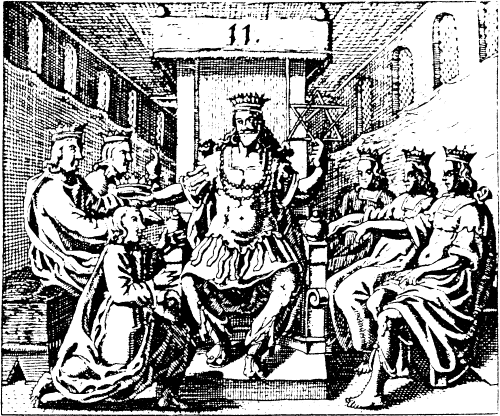
Of the four male archetypes described by Robert Moore—King, Warrior, Magician and Lover—the King is the central archetype in the mature masculine psyche. Without dis-identification from this archetype—and without a dynamic connection to it—a man will be immobilized by grandiosity, lost in depression, and bereft of a sense of meaning, just order, and connection with the creative springs of the psyche. The course is divided into the following four topics:
• The Sacred King in Myth, Folklore and Religion • The Role of the King in Masculine Selfhood • Psychopathology and the King • Healing the King: Resources from Analysis, Ritual and Human Spirituality
It was recorded in 1989.
Robert Moore, PhD was Distinguished Service Professor of Psychology, Psychoanalysis and Spirituality in the Graduate Center of the Chicago Theological Seminary where he was the Founding Director of the new Institute for Advanced Studies in Spirituality and Wellness. An internationally recognized psychoanalyst and consultant in private practice in Chicago, he served as a Training Analyst at the C.G. Jung Institute of Chicago and was Director of Research for the Institute for Integrative Psychoanalysis and Psychotherapy and the Chicago Center for Integrative Psychotherapy. Author and editor of numerous books in psychology and spirituality, he lectured internationally on his formulation of a neo-Jungian psychoanalysis and integrative psychotherapy. His publications include THE ARCHETYPE OF INITIATION: Sacred Space, Ritual Process and Personal Transformation; THE MAGICIAN AND THE ANALYST: The Archetype of the Magus in Occult Spirituality and Jungian Psychology; and FACING THE DRAGON: Confronting Personal and Spiritual Grandiosity.
Thank you to everyone who has shared a little about themselves. If you’d like us to know who you are, click this link, and I’ll read your submission on the podcast! No need to share any identifying information. This information will not be used for any other purpose.
We’re currently running our annual Summer Sale! Get 20% off everything in our online store through July 14. Use the coupon code SUMMER on the CART PAGE before proceeding to checkout.
Thank you to our 2020 donors who gave at the Contributing Member level and above: Barbara Annan, Usha and Ashok Bedi, Jackie Cabe Bryan, Eric Cooper and Judith Cooper, Kevin Davis, George J. Didier, Mary Dougherty, James Fidelibus, John Korolewski, Marty Manning, Dyane Sherwood, Deborah P. Stutsman, Debra Tobin, Alexander Wayne and Lynne Copp, Gerald Weiner, Karen West and James Taylor, and Ellen Young. If you would like to support this podcast, click here to join our community of supporters.
Thank you to the Pacifica Graduate Institute for sharing this video of Susan Rowland’s talk “C. G. Jung’s Dramatic and Imaginative Writing”. Subscribe to their YouTube Channel for more videos.
Susan Rowland, PhD is associate Chair of two hybrid programs at Pacifica Graduate Institute: MA Engaged Humanities and the Creative Life MA. Author of seven books on Jung, literary theory, gender and ecology, her latest work is The Ecocritical Psyche (Routledge 2012), which argues for a symbol embodying a reciprocal relationship with non-human nature. Previously Professor of Jungian Studies at the University of Greenwich, London, she was founding Chair of the International Association of Jungian Studies 2003-6.
Our Blog shares essays, articles, video, audio, and other resources by members of the Chicago Society of Jungian Analysts and other groups that support the education and development of our community.
The views and opinions expressed in the podcasts and blog posts are those of the respected speakers or authors and do not necessarily represent the views of the C. G. Jung Institute of Chicago.